

When it comes to keeping the heart healthy, small daily habits often make the most significant difference. Cardiologists concur that making the right lifestyle changes can prevent or delay many heart problems. The good news is? Not all solutions to heart protection are complex, and they are not so costly.
In this guide, you’ll get heart health advice straight from expert cardiologist recommendations, covering everything from diet and exercise to stress management and quitting smoking.
1. Eat a Balanced Diet for Heart Health
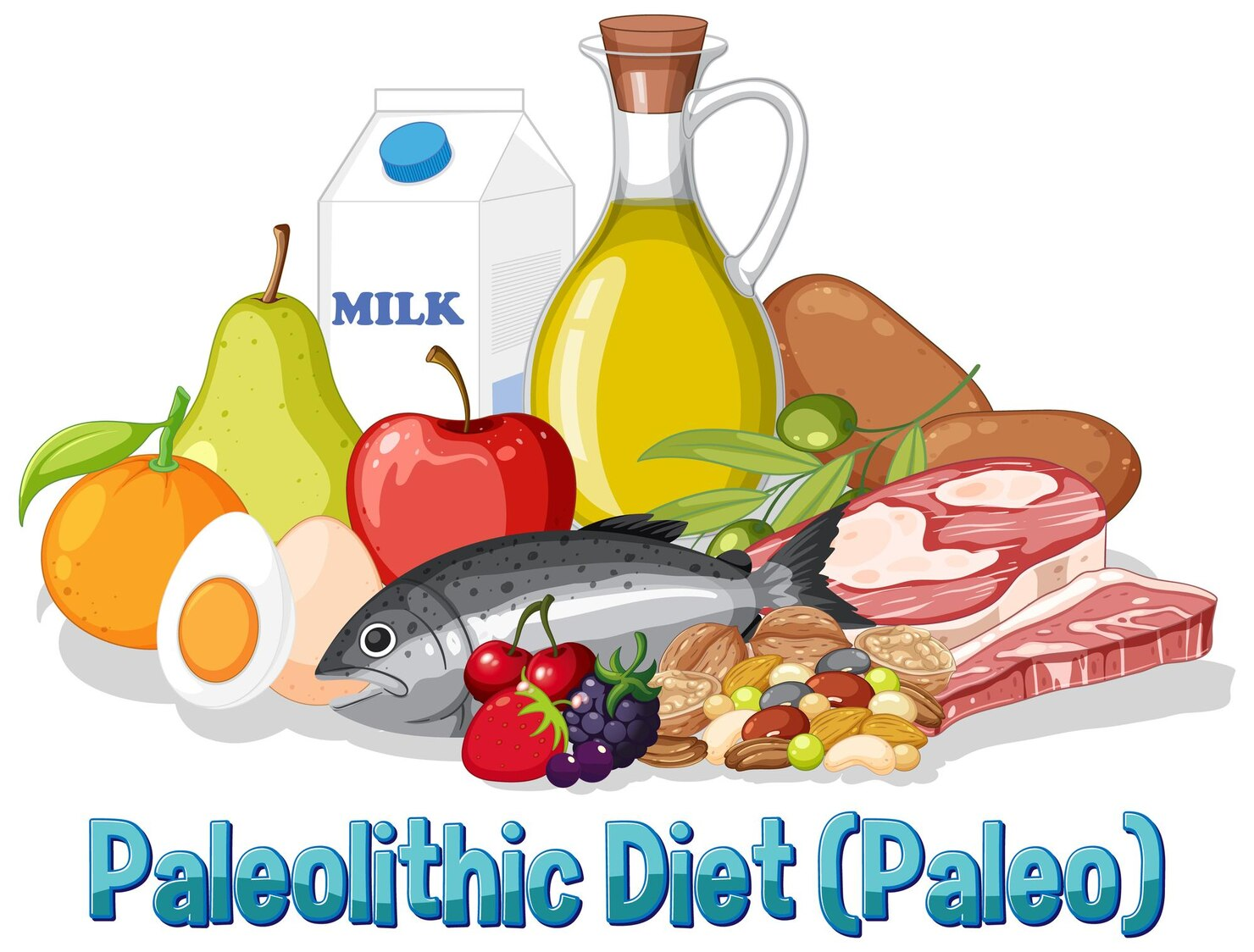
What you eat has a direct effect on your heart. A diet for heart health should focus on:
Guidance on fresh fruits and vegetables
Brown rice, oats, and whole wheat bread are whole grains.
Fish, chicken, and legumes are lean proteins.
No nuts, no seeds, and olive oil fats
Limit processed foods, sugary snacks, and excess salt, which can lead to blood pressure management issues.
Cardiologist tip: Do the 80/20 rule; eat clean or healthy 80 percent of the time, and have small doses of your treats in moderation.
2. Stay Active with Regular Exercise
Regular exercise for heart health helps strengthen your heart muscle, improve circulation, and maintain a healthy weight. Try to get 150 minutes a week of moderate-intensity aerobic activity (such as brisk walking) at least.
Swimming, cycling, or even dancing can be an option as well. It is all about regularity, rather than strength.
Cardiologist tip: Break your exercise into smaller sessions if you’re busy, and 10–15 minutes twice a day can help prevent heart disease.
3. Keep Cholesterol Levels in Check
High levels can block your arteries and raise the chances of stroke and heart attack. For effective cholesterol control:
- Eat fewer saturated and trans fats
- Eat more high-fiber foods
- Have your cholesterol checked now and again with your physician.
- If lifestyle changes aren’t enough, your doctor may recommend medication.
Cardiologist tips: Must eat –Oats, Almonds, and fatty fish like salmon can help reduce bad cholesterol (LDL).
4. Monitor and Manage Blood Pressure
The lack of control over high blood pressure is among the top causes of heart disease. Blood pressure management starts with:
- The lowering of salt consumption
- Physical activity
- Managing stress
- Between weight management and a healthy weight.
Please have checkups even when you feel good, as hypertension may not even be noticed in most cases.
Cardiologist tip: Home blood pressure monitors can help you track your readings and notice any changes early.
5. Quit Smoking for Better Heart Health
Quit smoking heart health advice is simple: the sooner you stop, the faster your heart and blood vessels recover. Smoking harms the lining on the inside of your arteries, lowers the percentage of oxygen in your blood, and causes your heart to pump harder.
Cardiologist tip: If quitting feels overwhelming, talk to your doctor about nicotine replacement therapy or counseling support.
6. Manage Stress Effectively
Chronic stress causes elevated blood pressure, a faster heartbeat, and may induce unhealthy lifestyles such as excessive eating or smoking. Effective lifestyle changes for stress relief include:
- Deep breathing.
- Meditation or Yoga
- To hang out with loved ones
- Sleeping at least 7 to eight hours a night.
Cardiologist tip: Even short breaks during a busy day stepping outside for fresh air or listening to music, can help calm your body and mind.
7. Get Regular Heart Checkups
It does not matter whether you feel well or not; periodic examinations are bound to detect issues before they escalate. A physician will know which screenings to recommend based on your age and family history, as well as your possible risk factors.
These appointments are also a great time to get personalized heart health advice from your doctor and discuss your progress in following cardiologist recommendations.
Conclusion
Learning how to keep your heart healthy is the first step, but putting these habits into practice is what truly protects your heart. Eating well, doing regular exercise, controlling cholesterol and blood pressure, stopping smoking, controlling stress, and regular check-ups will significantly reduce your risk of heart disease.
Your heart works in all weathers, in every moment, of every day, trust it and have it taken care of. With your journey toward controlling your heart health in mind, Genesis Specialist Hospital in Ikeja GRA has professional cardiology packages, including screening and customized individual care pathways.
FAQs
1. How to reduce heart attack?
Prevent heart attack by adopting a well-balanced, nutritious diet; engaging in regular physical exercise; normalizing blood pressure and cholesterol; coping with stress; quitting smoking; and maintaining a healthy weight.
2. How do I make my heart stronger?
Make your heart stronger by working out, eating heart-healthy foods, managing blood pressure and cholesterol, quitting smoking, and relieving stress. These routines enhance blood flow and cardiovascular endurance over time.
3. What exercise should I do for my heart?
Goal: maintain a routine of aerobic exercise, such as brisk walking, bicycling, swimming, jogging, and strength training. These enhance heart performance and circulation and help control weight and risk factors.
4. What level of cholesterol are heart problems?
The elevation of LDL (“bad) rather than HDL (“good) cholesterol increases the risk of heart disease. Diet, exercise, and advice from medical professionals are the best ways to protect the heart by lowering LDL and raising HDL.
5. Can quitting smoking improve heart health?
Yes, cessation of smoking reduces the heart rate and blood pressure very fast. The benefits of such improvements in circulation are significant, and heart disease risk is considerably reduced at any age, within months, and over the years.