

Many people wonder what does a neurologist do, especially during a first visit. A neurologist is a health practitioner who speciality in diagnosing and treating problems with the brain, spinal cord, and nerves. They assist sufferers who’ve symptoms like complications, dizziness, numbness, weak point, or memory problems. At your first appointment, they will take time to concentrate on your health records, recognize your signs and symptoms, and give an explanation for viable causes. They use their education to attach your signs and symptoms to certain parts of the apprehensive device, which enables guiding the subsequent steps for trying out and remedy.
The Role of a Neurologist Consultation
Your first neurologist consultation is designed to gather all the details about your symptoms and overall health. These are questions regarding when you began to experience your symptoms, how these symptoms have evolved, and if there was a history of neurological problems within your family. They will also inquire about medicine, health style, and any sicknesses or accidents. The aim is to have a complete picture of what could be troubling your nervous system. This kind of information, as well as a physical examination, can give the neurologist an idea of what additional testing may be required to confirm a diagnosis and develop the appropriate treatment plan to suit your needs.
What to Expect in a Neurological Exam
Neurological exam is a series of simple checks that the doctor undertakes; they assist the doctor to be able to know how your brain, spinal cord and nerves are functioning. You may be told to track your eyes on light, go in a straight line, or march your arms and legs in some directions. Reflexes will be examined by giving taps on the parts of your body, such as knees or elbows, lightly. They can also opt to examine your balance and coordination. Such tests provide hints on where a problem could be positioned in your nervous system to lead your neurologist to the correct diagnostic and further treatment.
Understanding Neurologist Tests and Procedures
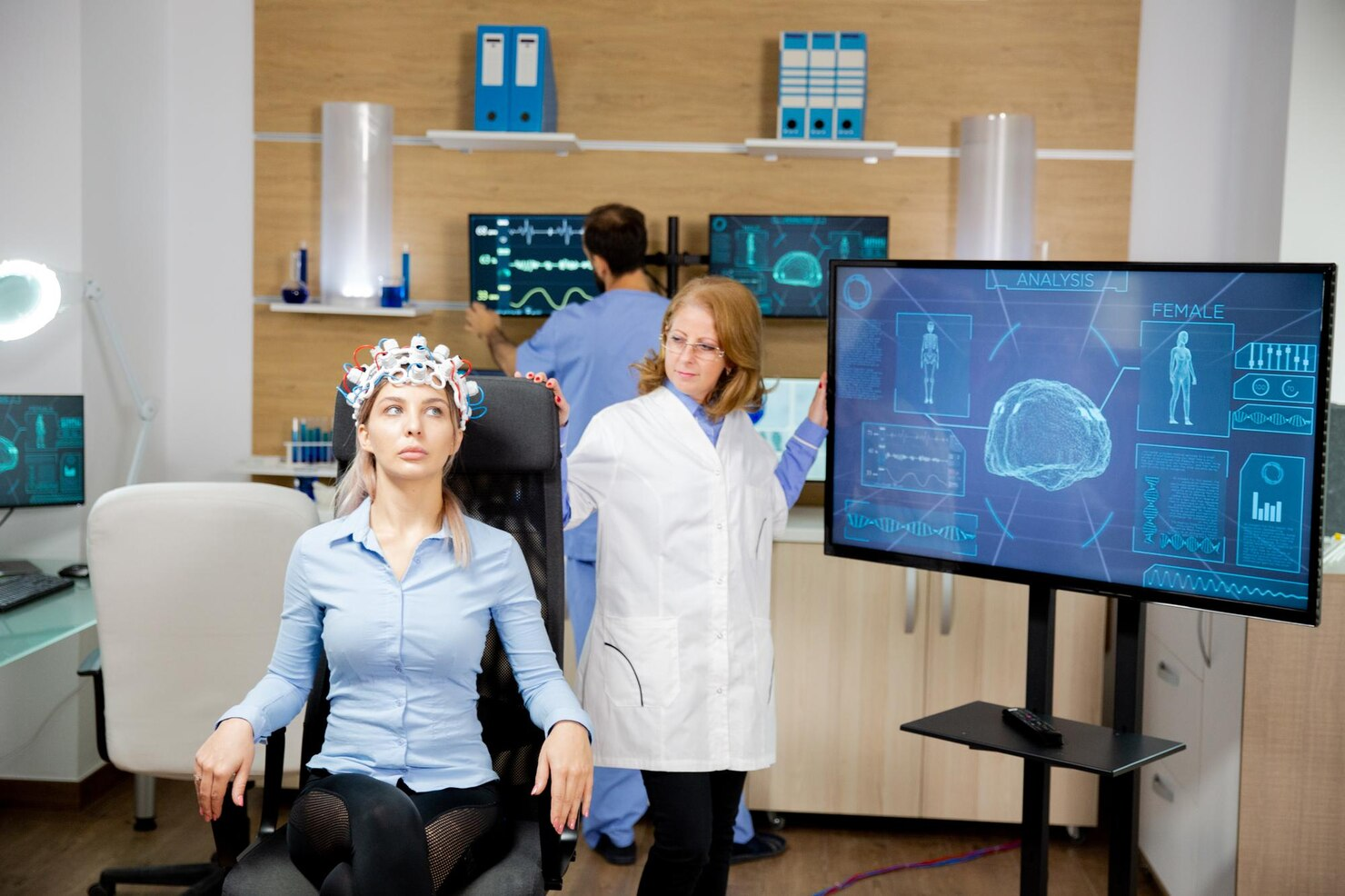
The doctor might also suggest that after the exam, he/she prescribe neurologist tests in order to obtain a more accurate view of what is happening inside your body. This may consist of blood tests to discard other possibilities, or specialised equipment such as imaging scans. The tests taken are based on your symptoms and the results of the physical exam. These diagnostic devices assist in affirming the presence of nerve damage, inflammation or alteration of the brain activities. Integrating your medical history, results of the examination, and tests will help the neurologist construct a comprehensive picture of the problem and develop efficient treatment.
Imaging and Brain Activity Studies
Neurologists often use tools like MRI or ECG to gather detailed information. An MRI uses magnets and radio waves to create clear images of the brain and spinal cord, helping detect tumours, strokes, or structural problems. An ECG measures electrical activity in the brain, which is useful for diagnosing seizures or certain sleep disorders. These studies are painless and safe, providing essential insights that cannot be gathered through a physical exam alone. The results are studied closely by the neurologist, who explains what they mean and how they fit with your overall health picture.
Nerve Function and Reflex Testing
In some cases, nerve activity should be probed more closely with tests such as reflex testing and nerve conduction studies. Reflex tests are minor tests to determine how your muscles and nerves react to some signals. Nerve conduction studies are conducted to determine the speed at which your nerves convey signals move using tiny electrical units to determine whether your nerves are damaged or blocked. Such tests may detect conditions such as neuropathy, carpal tunnel syndrome, or nerve damage. They find use in many situations when there is tingling, weakness and numbness, so as to allow the neurologist to establish the accuracy of nerve-associated issues in the spine, including the severity.
Cognitive and Memory Assessments
Your neurologist can apply a cognitive assessment, suggesting that your symptoms include thought, memory, and speech. This can be in the form of very straightforward questions and answering correctly, or recalling words or patterns, or following instructions to quantify brain activity. Such tests may be used to detect the changes associated with illnesses such as dementia, stroke, or brain injury. They also assist the neurologist in determining whether physical nerve disorders or brain processing disorders cause your symptoms. The obtained information can lead to treatment decisions and prescribe therapies to enhance day-to-day operations, so the treatment is unique to your requirements and objectives of health objectives.
Moving Forward After the First Visit
After every test and assessment is over, your neurologist will discuss the test results and treatment options. This may involve the use of drugs, physiotherapy, lifestyle alteration or post-treatment visits to observe your progress. The initial visit is actually a stepping stone towards your journey of care, as it allows your doctor and you to be involved with the process of managing symptoms and enhancing quality of life. Learning how the procedure works can help it not seem as intimidating and instead more productive, giving you peace of mind that you are on the right track towards having a healthier brain and nerves.
Conclusion
The initial visit to a neurologist is an action to realise and manage your brain and nerve well-being. All the stages of the processing, starting with the preliminary visit, to the neurological examination, and other complex tests, are aimed at determining the cause of your symptoms. Effective communication and a disciplined approach facilitate easier development of the correct treatment plan. Knowing what to expect, one can treat the visit to Genesis Hospital with confidence and concern about the health goals. Have faith, educate yourself and have a say in your neurological health, so chat tomorrow can be better.
FAQs
1. Do neurologists check the brain?
Yes, neurologists use diagnostic imaging (CT scans and MRI) and neurological tests to assess brain function and identify effects.
2. Can a neurologist diagnose brain damage?
Yes, neurologists can diagnose brain damage through imaging, such as MRIs or CT scans, physical examinations, and patient history to assess brain structure and activity.
3. What is a full neurological test?
A complete neurological exam combines tests of reflexes, coordination, strength, sensory responses, and mental status, as these are some of the possible problems associated with the nervous system or the brain.
4. What are the conditions for nerve damage?
The destruction of nerve fibers can occur with diseases such as diabetes, trauma, infections, autoimmune diseases, or neurological conditions like multiple sclerosis or peripheral neuropathy, which affect the activity of sensory or motor nerves.
5. How does a neurologist test your brain?
To diagnose possible neurological disorders, neurologists examine the brain using imaging methods, such as MRI and CT scans, and perform a neurological examination of cognitive ability, reflexes, motor skills, and coordination.