
Brain and Spine Conditions: Symptoms and When to See a Specialist
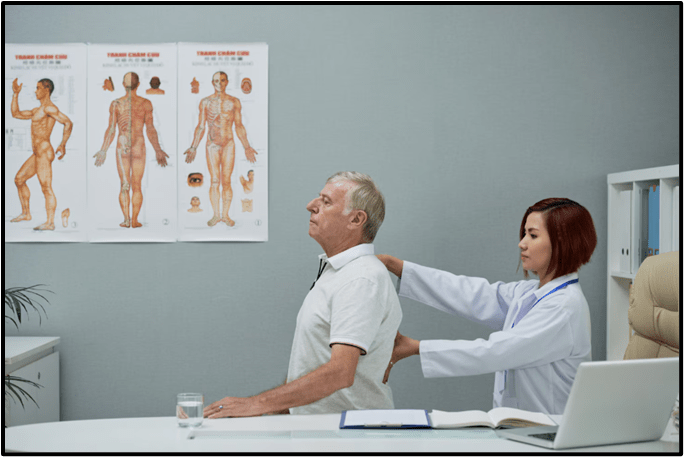
Back pain is common. Most people have dealt with it at some point. But there’s a difference between soreness from sitting too long and pain that shoots into your leg, or numbness that spreads into your fingers and just won’t leave. That second kind needs attention from a brain and spine specialist — not next month, not when it gets worse, but now. The longer these things go unchecked, the harder they become to properly diagnose and treat. Introduction: The Importance of Brain and Spine Health People don’t think about their brain and spine until something goes wrong. That’s just how it is. But these two structures are running the show behind every single thing your body does — walking, talking, feeling temperature, holding a cup, knowing where your feet are without looking down. Role of the Nervous System in Body Function Your nervous system is basically the body’s messaging service. The brain sends a signal, the spine carries it, and the body responds. Simple in theory. When something breaks that chain—an injury, a compressed disc, or inflammation—the messages either get distorted or stop arriving altogether. That’s when brain and spine symptoms start showing up. Pain shooting from the neck into the arms. Lower back pain that travels down into the legs. Hands that feel weak or keep dropping things. A burning or tingling feeling in the feet that has no obvious explanation. Walking that suddenly feels unsteady or off. These aren’t random complaints — they’re the body reporting a problem somewhere in that messaging chain. Why Early Evaluation Matters Most people sit on these symptoms for way too long. They try painkillers, rest, and maybe some stretching. Sometimes that works. But when symptoms keep returning, spread to new areas, or start affecting sleep and daily tasks—that’s when a brain specialist consultation stops being optional. Sudden severe headache, loss of bladder control, or weakness that comes on quickly are different—those need same-day attention, no waiting. Common Brain and Spine Disorders These conditions don’t discriminate by age as much as people assume. Yes, wear and tear plays a role, but spine nerve disorders and nerve damage show up in younger people too—sometimes from old injuries, sometimes from conditions that were never properly investigated. Nerve Damage and Neuropathy Nerve damage is one of those things that creeps in slowly. It often starts in the hands or feet — a bit of numbness here, some tingling there. Easy to ignore. But over time, it can affect grip strength, walking steadiness, and the ability to feel temperature or pain properly. The nerve damage signs worth taking seriously are the ones that don’t go away. Numbness that stays rather than coming and going. Burning or sharp pain that runs along the arm or leg. Weakness in one hand or foot that makes gripping or lifting harder than it should be. If any of this is disturbing sleep or making simple daily tasks difficult, the assessment is long overdue. Spinal Cord Problems and Coordination Issues Spinal cord disorders sit in a more serious category because the spinal cord controls such a wide range of functions. When it’s affected, symptoms tend to be more noticeable — and more alarming. What to watch for: both legs going weak at the same time, balance that keeps getting worse despite no obvious cause, numbness spreading below the neck or back, trouble walking in a straight line, or arm and leg weakness that shows up alongside pain. Loss of bladder or bowel control is particularly urgent. These symptoms — especially when they come on suddenly — need medical review without delay. Diagnostic Evaluation by Specialists A specialist doesn’t just order a scan and call it done. The process starts with actually listening — understanding when the problem started, what makes it worse, whether the pain moves, and what other symptoms have shown up alongside it. Neurological Examination Methods Before any imaging, the neurologist physically examines the patient. They check muscle strength across different limbs, test reflex responses, observe how the person walks and maintains balance, and assess sensation in the arms and legs. Speech or memory may also be checked if the symptoms point in that direction. This hands-on step tells the specialist which neurological testing procedures are actually worth ordering — and avoids putting patients through unnecessary investigations. Advanced Imaging and Testing Once the clinical picture is clearer, investigations might include MRI for detailed views of the brain, spine, and nerve roots, or a CT scan when injury, bleeding, or bone changes are suspected. A nerve conduction study checks how well electrical signals are moving through the nerves. An EEG comes into play if seizures or abnormal brain activity are part of the picture. Blood tests are added when infection or inflammation could be contributing. Each test answers a specific question — together they point toward a diagnosis grounded in evidence, not guesswork. Treatment and Management Options Treatment depends entirely on what’s actually causing the problem. A neurologist in Lagos with experience in brain and spine conditions will build a plan around the individual — their diagnosis, age, test results, and how much the condition is affecting their life. Medication and Therapy Not every case needs surgery. Many conditions respond well without it. Treatment may include nerve pain medication if there is burning or shooting pain, anti-inflammatory treatment if there is swelling, and physiotherapy to build up strength and restore movement. Depending on the case, balance and coordination training, correction of posture by physical therapy, lifestyle changes, and regular check-ups of the condition are all involved. Long-term Care and Monitoring Some brain and spine conditions need ongoing management rather than a single course of treatment. That means regular specialist reviews, repeat scans if symptoms shift, medication adjustments over time, continued physiotherapy, and practical guidance for day-to-day safety at home. Family members and caregivers are brought into that process too—because managing these conditions well rarely happens in isolation. FAQs What symptoms indicate brain or spine problems? Numbness, weakness, tingling, balance
Neurological Disorders: Symptoms, Diagnosis and Treatment Options

Not every headache is just stress. Not every trembling hand is tired. When your body starts sending signals you can’t explain—weakness on one side, memory slipping, a seizure that came from nowhere—that’s your nervous system telling you something is wrong. Neurological disorder symptoms are easy to dismiss early on, and that’s the problem. By the time most people take them seriously, things have already progressed further than they needed to. Brain and nerve diseases don’t always announce themselves loudly. Sometimes they whisper for months before anyone listens. Genesis Specialist Hospital in Lagos works with patients to catch these concerns early, providing neurological evaluation, diagnosis, and treatment guidance under specialist care. Introduction: Understanding the Nervous System Your nervous system is running in the background every second of your life. It’s what lets you pick up a glass of water, recognise a familiar face, keep your balance on uneven ground, and string a sentence together without thinking. Strip that away — even partially — and almost everything becomes harder. Role of the Brain and Spinal Cord The brain is where decisions, memories, language, and movement all come from. The spinal cord is the channel through which the brain talks to the rest of your body. Damage or disease anywhere along that pathway can produce symptoms that feel completely unrelated to each other. That’s the nature of brain and nerve diseases—they rarely stay in one lane. When something goes wrong, here’s what a person might notice: Numbness in the feet or hands. Speech that suddenly slurs. An arm that won’t cooperate. Loss of balance without any pain. Struggling to find words while feeling physically fine. Why Neurological Health Is Important People tend to underestimate neurological symptoms because they’re not always visible or painful. A hand that shakes a little. Headaches that come and go. A moment of confusion that passes quickly. These things get explained away—stress, poor sleep, and aging. But sometimes they’re early signs of something that a neurologist consultation could catch before it becomes harder to manage. The nervous system touches every part of daily function, which means neurological health isn’t a niche concern. It’s central to everything. Common Neurological Disorders There’s no single face to neurological illness. Some conditions develop over decades. Others change a person’s life in under an hour. Stroke and Brain Injury Stroke is one of the few neurological emergencies where minutes genuinely matter. It happens when blood stops reaching part of the brain — either a blockage or a bleed — and tissue begins to die almost immediately. Head injuries carry similar urgency. Confusion, vomiting, or a headache that keeps getting worse after a knock to the head all need same-day medical review. Watch out for these stroke symptoms—none of them should be waited out at home: Sudden facial drooping on one side. Weakness or numbness down one side of the body. Slurred or completely lost speech. Sudden vision disturbance. A headache unlike anything felt before. Epilepsy and Seizures Epilepsy is widely misunderstood. Many people picture dramatic convulsions, but a lot of seizures look nothing like that—a blank stare, a few seconds of unresponsiveness, and confusion that clears up and leaves the person not quite sure what just happened. What defines epilepsy is the pattern: seizures that happen more than once without a clear external cause. Epilepsy treatment options include anti-seizure medication, EEG testing to map brain activity, and regular follow-up to adjust the approach over time. Getting the right neurologist consultation early means fewer trial-and-error medication changes down the line. Parkinson’s Disease and Nerve Disorders Parkinson’s disease symptoms tend to sneak up on people. A slight tremor in one hand, movements that feel slower than they used to, handwriting that’s gotten smaller without explanation — these are easy to brush off at first. Parkinson’s targets the brain’s movement control system and progresses gradually. Families often notice the changes before the person living with it does, simply because they’ve learned to work around them quietly. Here are the signs that should prompt a proper neurological assessment: A resting tremor, usually starting in one hand. Movements that have become noticeably slower. Muscle stiffness or reduced range of motion. Unsteady walking or balance problems. Handwriting that has shrunk or become cramped. Burning pain, numbness, or unexplained weakness. Symptoms that keep returning or affect daily tasks. Tests Used to Diagnose Neurological Conditions A neurologist doesn’t guess. They build a picture using clinical examination combined with neurology diagnostic tests chosen based on what the symptoms suggest. EEG and Nerve Conduction Studies An EEG picks up electrical activity in the brain and is the main tool for investigating seizures — it can confirm epilepsy and often identify where in the brain the abnormal activity is coming from. Nerve conduction studies measure signal speed along nerve pathways, which helps identify where damage has occurred. EMG testing goes a step further and looks at how muscles respond to those signals. Between these three, doctors can pinpoint problems that would be invisible on a physical exam alone. Brain Imaging Such as CT and MRI Brain imaging, CT, and MRI is often the clearest windows into what’s actually happening structurally. CT scans are fast — useful in stroke emergencies when every minute counts. MRI takes longer but produces far more detail, picking up lesions, tumours, early-stage stroke damage, and changes in the spinal cord that CT would miss. When symptoms are sudden or worsening, imaging isn’t optional. Treatment and Management Options No two neurological conditions are treated the same way. The right plan depends on what the diagnosis is, how far it has progressed, and what the tests actually show. Some patients need urgent medication. Others need long-term rehabilitation, therapy, or a combination of both. At Genesis Specialist Hospital, treatment decisions are built around the individual—not a generic checklist. Medication and Neurological Therapy Treatment plans are built around the individual — their diagnosis, age, how advanced the condition is, and what the tests show. Medications may be aimed at seizures, tremors, inflammation or nerve
Lung Diseases and Respiratory Conditions: Symptoms, Tests & Treatment

Introduction: Why Lung Health Matters Did you feel out of breath after even minor activities, or had you overlooked a persistent cough and believed that it would clear on its own? The symptoms of early respiratory diseases are not noticed by many people, and they may postpone the appropriate treatment of respiratory diseases and also deteriorate health conditions. Knowing the workings of your lungs and knowing when to be cautious can lead you to have control over your breathing. The importance of a healthy respiratory system A healthy respiratory system ensures your body gets the oxygen it needs to function properly. When conditions affect lung performance, it can lead to serious complications, making timely lung specialist consultation and effective lung diseases treatment essential. Common respiratory conditions affecting patients Common respiratory diseases include asthma, pneumonia, and tuberculosis, which are diseases that can be experienced by anyone regardless of age. Such conditions are usually manifested by symptoms that are observable, such as respiratory disease symptoms, such as coughing, wheezing and breathing difficulty. Common Lung Diseases and Symptoms Asthma and breathing difficulty Asthma is a long-term disease that involves inflammation and constriction of airways, thereby causing wheezing and breathlessness. Early symptom recognition and discussion of appropriate asthma treatment choices would be beneficial to address flare-ups and increase the quality of life. Pneumonia and lung infections Pneumonia is a serious infection that affects the lungs and can cause fever, chest pain, and difficulty breathing. Proper pneumonia symptoms treatment is necessary to avoid complications, especially in vulnerable individuals showing strong respiratory diseases symptoms. Tuberculosis and other respiratory diseases Tuberculosis lung infection is a significant issue in most localities and may lead to chronic cough, loss of weight and fatigue. Diagnosis and proper treatment of lung diseases at an early age are significant to prevent the onset and progression of the disease. Diagnostic Tests for Lung Conditions Pulmonary function testing A pulmonary function test measures how well your lungs are working by assessing airflow and lung capacity. This test is commonly used by a lung specialist in Lagos to detect breathing disorders and guide accurate lung disease treatment. Bronchoscopy for lung diagnosis Bronchoscopy is the method which enables medical professionals to inspect the airways and the lungs themselves. It is commonly prescribed in sessions with a lung specialist and is used to define infections, obstructions, or disruptions that cause symptoms of respiratory diseases. Treatment Options for Respiratory Diseases Medication and respiratory therapy The lungs cannot be treated without medications, inhalers and oxygen therapy depending on the diagnosis. Individualised asthma treatment choices and useful pneumonia symptoms treatment help to control the symptoms and enhance breathing. Collaborative treatment with specialists Managing complex conditions like tuberculosis lung infection often requires a team-based approach. The benefits of visiting a qualified lung specialist in Lagos include access to advanced care, diagnosis, and ongoing lung disease treatment plans. FAQs What are the common symptoms of lung diseases? Common respiratory disease symptoms include coughing, wheezing, chest discomfort, and shortness of breath. How do pulmonologists diagnose respiratory conditions? Pulmonologists use clinical assessment, x-rays and examination, such as pulmonary function tests, in the diagnosis of lung disease. What tests are used for lung disease detection? Tests such as pulmonary function tests, imaging scans, and bronchoscopy help in accurate diagnosis. When should I see a lung specialist? You should seek a lung specialist consultation if symptoms like a persistent cough or breathing difficulty continue. Can lung diseases be treated successfully? Well, among respiratory diseases, most of them can be treated successfully with timely diagnosis and appropriate treatment for lung diseases.
Heart Disease Symptoms: Warning Signs, Causes & When to See a Cardiologist

Introduction: Why Recognizing Heart Symptoms Early Matters Have you ever overlooked some slight development of chest pain or an abnormal level of tiredness because you think it cannot be anything serious? Several individuals do not pay due attention to early signs of heart disease, as it may postpone quick treatment and create more problems. Learning about early signals that your body sends is one of the ways to avoid severe problems. Growing cases of heart disease worldwide Heart conditions such as hypertension and heart failure are among the most common cardiovascular problems seen in hospitals today. Stress in lifestyle, diet, and exercise are also major causes of the escalating hypertension symptoms and other heart disease symptoms in all age groups. Importance of early diagnosis Early heart attack warning sign recognition can be the difference between life and death. With timely treatment, this can be done by early detection of the disease through proper assessment and cardiology tests of heart disease, which will minimise long-term complications. Common Symptoms of Heart Problems Chest pain and discomfort One of the most noticeable heart disease symptoms is chest discomfort, which may feel like pressure, tightness, or burning. While there are many chest pain causes, persistent or severe pain should never be ignored, as it could indicate serious heart conditions. Irregular heartbeat or palpitations The feeling of a racing or fluttering heart may indicate irregular heartbeat symptoms, frequently associated with the rhythm disorder. Other conditions, such as atrial fibrillation symptoms, can manifest themselves by skipping heartbeats or high heart rate that can be treated by the physician. Shortness of breath and fatigue Unusual tiredness or difficulty breathing during simple activities can signal underlying heart disease symptoms. These signs are often associated with reduced heart function and may appear along with hypertension symptoms or other cardiac issues. Heart Conditions That Cause These Symptoms Atrial fibrillation and heart rhythm disorders Heart rhythm issues such as atrial fibrillation are common causes of irregular heartbeat symptoms. People experiencing atrial fibrillation symptoms may notice dizziness, fatigue, or irregular pulse, which should be evaluated promptly. Hypertension (high blood pressure) High blood pressure is silent most of the time, but it may cause severe complications when not treated. Chronic hypertension symptoms result in long-term harm and predisposition to serious heart attack warning signs. Valvular heart diseases Issues related to the valves of the heart may disrupt the circulation of blood and cause such symptoms as fatigue, breathlessness, and chest pain. Such conditions may be confused with general heart disease symptoms and need expert attention. Tests Used to Diagnose Heart Disease Electrocardiogram (ECG) One of the most widespread cardiology tests for heart disease is an ECG, which is conducted to detect abnormal heart rhythms and the early signs of an abnormality. It is important in diagnosing irregular heartbeat symptoms and the state of the heart. Echocardiogram scan This is an imaging test that gives detailed images of the structure and functioning of the heart. It assists physicians in evaluating damage, valve problems, and other causes of heart disease symptoms. Cardiac stress testing Stress tests evaluate how your heart performs under physical activity. These cardiology tests for heart disease are essential for diagnosing hidden issues and understanding chest pain causes during exertion. When Should You See a Cardiologist? Warning signs that require medical attention If you experience persistent chest pain, severe fatigue, or noticeable irregular heartbeat symptoms, it is important to seek care immediately. Recognising heart attack warning signs early and knowing when to see a cardiologist can prevent serious complications. Preventive heart checkups Routine screening without signs and symptoms is important, especially in those individuals who are at-risk. Regular cardiology heart disease testing assistance also helps in the detection of early signs of heart disease symptoms and prevention care choices. Understanding early heart disease symptoms and acting on them can protect your long-term health. Genesis Hospital offers high-quality cardiology services, a high level of diagnostics, and timely intervention that allows patients to successfully cope with heart diseases and be sure of their success. FAQs What are the early symptoms of heart disease? Early heart disease symptoms include chest discomfort, fatigue, shortness of breath, and irregular heartbeat, which may seem mild at first. What causes chest pain related to heart problems? There are multiple causes of chest pain, but heart-related pain is often due to reduced blood flow or blocked arteries. What tests are used to diagnose heart conditions? Doctors use cardiology tests for heart disease, such as ECG, echocardiograms, and stress tests, to identify issues. When should I see a cardiologist for heart symptoms? You should understand when to see a cardiologist if symptoms like chest pain, breathlessness, or palpitations persist. Can heart disease be prevented with early screening? Yes, by detecting it at an early stage with the help of regular checkups and monitoring hypertension symptoms, the risk of severe heart conditions can be minimized.