
How Cardiologists Diagnose and Treat Heart and Lung Conditions in Lagos

Your heart is racing. You feel a tightness in your chest that wasn’t there before. Or maybe you’ve had a lingering cough that just won’t go away. It’s a scary feeling. And your first question is probably, “What’s wrong with me?” Your next thought? “Who can I trust to help?” When in a busy city such as Lagos, it is easy to get lost in the sea of information that does not seem to be clear or reliable with regard to your health. You have a right to know when it happens to you when you ask assistance to your heart and lungs. This guide will walk you through the modern, compassionate process a top cardiologist in Lagos uses to diagnose and treat conditions. We’ll demystify the journey, from the first sign of trouble to a clear path forward. Let’s pull back the curtain on expert cardiac care guidance. The First Step: Your Initial Consultation This is where it all begins. It’s more than just a chat; it’s a detective story where you hold the key clues. A good cardiologist will really listen to what you have to say. They need to know about your symptoms, how you live, and your family’s health history. It’s not just about making some boxes. It’s all about putting together a full image of who you are. What to expect during your first visit: A Detailed Conversation: Be prepared to talk about your symptoms. When did they start? What makes them better or worse? Do you feel shortness of breath when climbing the stairs in your Ikeja apartment? Be specific. Physical Examination: The doctor will check your blood pressure, listen to your heart and lungs with a stethoscope, and look for any signs of swelling. Building a Baseline: This visit sets the stage. It helps your doctor decide which specific tests are needed to get to the root of the problem. It’s the foundation for all your heart and lung treatment in Lagos. Modern Diagnostics: A Look Inside Gone are the days of purely guessing. Cardiologists today have a set of high-tech equipment that lets them see what’s going on within your body. These tests are painless, precise, and powerful. Common diagnostic tests include: Electrocardiogram (ECG or EKG): This is a fast and easy test that checks how your heart is working electrically. It can find signs of past heart attacks and heartbeats that aren’t regular. It only takes a few minutes. Echocardiogram (Echo): Think of this as an ultrasound of the heart. The sound wave is also what gives you a moving picture of the chambers and valves of your heart. Doctors can check how well your heart is pumping blood. Stress Testing: How does your heart perform under pressure? You’ll walk on a treadmill while your heart rhythm and blood pressure are monitored. It shows how your heart handles work. Advanced Imaging: You might have to look even closer. CT and MRI scans show your lungs and heart in 3D and are incredibly detailed. They can show blockages or other structural problems with amazing clarity. These tools take the mystery out of diagnosis. They turn “I think there might be a problem” into “Here is exactly what we are dealing with.” This is a core part of modern heart disease prevention. Your Personalized Treatment Plan Now that your cardiologist in Lagos has given you a clear diagnosis, the next step is to design a treatment plan that is as unique as you are. There is no one-size-fits-all answer. Treatment generally falls into three categories: 1. Lifestyle Changes: Your Foundation for Health This is always the first and most powerful line of defense. Your doctor will work with you on a plan you can actually stick to. Heart-Healthy Diet: Less salt, less oil, more fresh fruits and vegetables. Think of fueling your body, not just feeding it. Smart Exercise: You don’t need to run a marathon. A daily 30-minute brisk walk in your neighborhood can work wonders for heart health in Nigeria. Stress Management: Lagos life is fast-paced. Finding healthy outlets for stress whether it’s music, prayer, or meditation is not a luxury; it’s a medical necessity. 2. Medications: Precision Tools If lifestyle changes aren’t enough, medications can be a game-changer. They can lower blood pressure. They can reduce cholesterol. They can prevent dangerous blood clots. Your doctor will explain what each pill does and why you’re taking it. No surprises, just clarity. 3. Procedures and Surgery: When More is Needed For some conditions, a procedure is the most effective path. The good news? Many modern procedures are minimally invasive. Angioplasty and Stenting: A thin tube goes into one of the occluded arteries in the heart. A tiny balloon is used to open the blockage, and a small mesh tube (called a stent) is put in place to keep it open. The surgery is not too huge, and most of the time, the recovery period is quick. Cardiac Ablation: This procedure uses heat or cold to correct irregular heartbeats. It targets the tiny areas of the heart causing the problem. The goal is always to choose the most effective, least invasive option to get you back to your life. Why Choosing the Right Specialist Matters Your heart and lungs are your body’s engine. You wouldn’t trust just anyone to fix a finely tuned machine. You need a specialist who combines deep knowledge with genuine compassion. The best cardiologist in Lagos offers more than just tests and prescriptions. They offer a partnership. Regular cardiovascular checkups in Ikeja are your best defense. They catch small issues before they become big problems. This is where heart disease prevention becomes a reality. It’s about proactive care, not just reactive treatment. Your Heart Health is a Partnership The first step to taking charge of your health is to learn how cardiologists identify and treat heart and lung disorders. It is a method that is based on the most up-to-date research, but it is also based on actual communication and care. From that first moment of uncertainty to a clear diagnosis and a personalized treatment plan,
Understanding Pain Management: Techniques and Treatments in Lagos
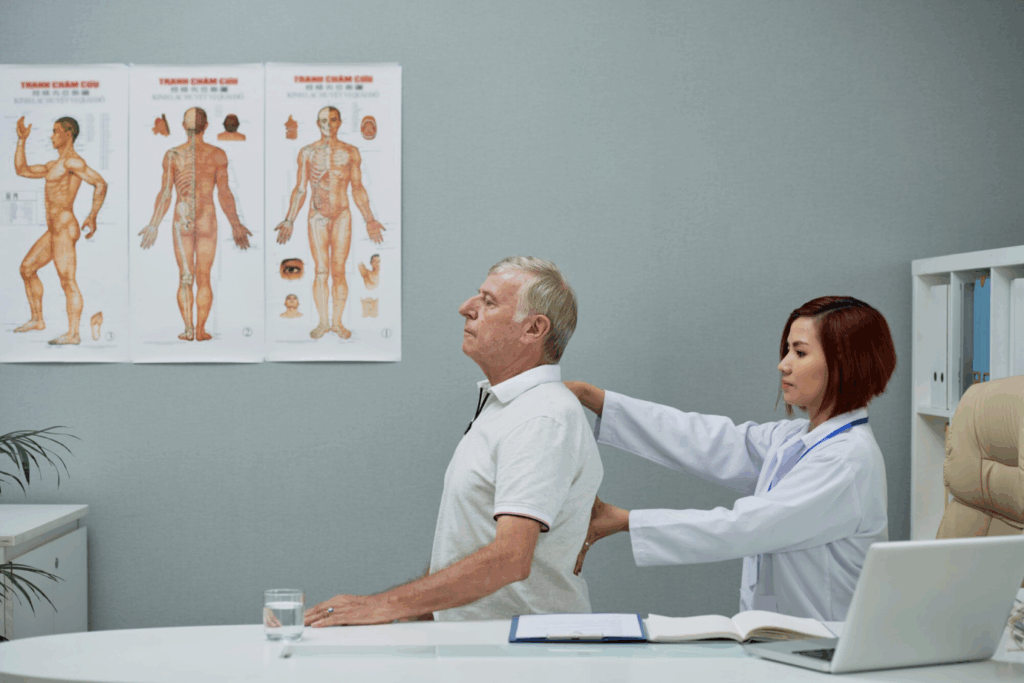
That sharp stab in your lower back the moment you try to stand up. The dull, constant ache in your shoulders that follows you home. The pounding in your head that turns bright light into pure agony. Sound familiar? You are far from alone. Most of us in Lagos just push through the pain. We take a pill and hope for the best. We try to ignore it. But what happens when it keeps coming back? What if that pain is a warning sign you shouldn’t ignore? You’re in the right place to find out. Consider this your personal guide to Pain management in Lagos. We’re going to walk through the real world of chronic pain treatment in Nigeria. You will learn what true relief looks like. We’ll explore everything from simple lifestyle changes to advanced minimally invasive pain care that actually works. Ready to feel better? Let’s dive in. What is Pain Management, really? (It’s Not Just Pills) So many people think the answer to pain is a stronger prescription. That’s an outdated myth. Think of your pain as a car alarm. It’s loud and annoying for a reason. It’s telling you something is wrong. Modern pain care isn’t about just disconnecting the battery. It’s about finding the thief trying to break in. A truly great pain management plan is custom-made for you. It fits your life and your body. It mixes different strategies to do more than just numb you. The goal is to fix the problem and get you back to living your life, fully and freely. Common Pain Conditions We See in Lagos Let’s be honest. Living in our busy city presents challenges of its own health problems. Our bodies are really strained by the unending traffic, the heavy workload and the day to day pressurizing. These are the pains we help with every single day: Chronic Lower Back Pain: From long hours stuck in traffic or slumped at a desk Migraines and Headaches: Often sparked by stress, skipped meals, or staring at screens Neck and Shoulder Pain: The classic “tech neck” from always looking down at our phones Arthritis Pain: The natural wear and tear that makes joints stiff and sore Nerve Pain (Neuropathy): That strange burning, tingling, or shooting sensation that seems to come from nowhere A Look at Modern Pain Treatment Options Thankfully, the days of “just take an aspirin” are long gone. Chronic pain treatment has changed completely. You have real choices now. Here’s a clear look at what really works. 1. Non-Invasive Therapies: The Foundation of Care This is where your healing begins. These treatments are not only effective but also safe, and they restore the body’s vigor. Physiotherapy: Specific workouts and hands-on methods to help you regain your strength and range of motion Lifestyle Tweaks: Small changes can have a huge impact. We look at your workspace, how you sleep, and what you eat Smart Medication Use: This is not a crutch; medicine is meant to help you heal. 2. Minimally Invasive Procedures: Precision Relief When back pain relief in Lagos just won’t quit, we have amazing advanced options. This is the heart of modern minimally invasive pain care. These are not big, scary surgeries. They are targeted treatments with very little downtime. Therapeutic Injections: Just think about how amazing it would feel to get rid of the painful portion. These things do that. They stop inflammation exactly where it starts. Radiofrequency Ablation (RFA): A game-changer for joint and nerve pain. It gently quiets the nerves shouting pain signals. The relief can last for a year or more Spinal Cord Stimulation: For the toughest pain, a small device sends gentle pulses that mask the pain before your brain even feels it Here’s the real secret: The best results almost always come from a mix of these approaches. It’s not about picking one. It’s about building a personal team of treatments that work for you. Your Guide to Choosing a Pain Clinic in Lagos Finding the right help can feel overwhelming. How do you choose? This pain clinic guidance will help you make the right choice. 1. Find a True Specialist: Look for a doctor specifically trained in pain medicine. An interventional pain specialist has the skills for those precise procedures we talked about 2. Look for a Team: The best care comes from doctors, physios, and experts who work together. You want a clinic that collaborates 3. Check Their Toolbox: Do they only offer pills? Or do they have a full range of options, from therapy to advanced injections? More tools mean a better plan for you 4. Trust Your Gut: At your consultation, you should feel heard and respected. Your doctor should explain things clearly and make you feel like a partner. Taking the Next Step Toward a Life with Less Pain Let’s be real. Living in constant pain is exhausting. It drains your energy and steals your joy. It affects your work and your time with family. But it does not have to be your normal. Understanding that real solutions exist right here in Lagos is your first step toward taking back control. This is about healing, not just hiding symptoms. If you’re done with quick fixes, we are here to help you find a real solution. What is one tiny step you will take today? Maybe it’s simply deciding to make that phone call. The compassionate pain management team at Genesis Specialist Hospital in Ikeja is dedicated to your well-being. We see you as a person, not just a chart. If you’re ready to start your journey to relief, we are ready to walk beside you. Frequently Asked Questions 1. What are the common types of chronic pain people experience? People often deal with persistent lower back pain, arthritic joints nerve pain (like burning or tingling), and debilitating migraines. These usually stem from injury overuse or other hidden health issues that need proper chronic pain treatment. 2. How are migraines and back pain treated in modern clinics? We move beyond basic pills. For migraine therapy in Lagos we use targeted
Top 7 Heart-Healthy Lifestyle Tips Recommended by Cardiologists

When it comes to keeping the heart healthy, small daily habits often make the most significant difference. Cardiologists concur that making the right lifestyle changes can prevent or delay many heart problems. The good news is? Not all solutions to heart protection are complex, and they are not so costly. In this guide, you’ll get heart health advice straight from expert cardiologist recommendations, covering everything from diet and exercise to stress management and quitting smoking. 1. Eat a Balanced Diet for Heart Health What you eat has a direct effect on your heart. A diet for heart health should focus on: Guidance on fresh fruits and vegetables Brown rice, oats, and whole wheat bread are whole grains. Fish, chicken, and legumes are lean proteins. No nuts, no seeds, and olive oil fats Limit processed foods, sugary snacks, and excess salt, which can lead to blood pressure management issues. Cardiologist tip: Do the 80/20 rule; eat clean or healthy 80 percent of the time, and have small doses of your treats in moderation. 2. Stay Active with Regular Exercise Regular exercise for heart health helps strengthen your heart muscle, improve circulation, and maintain a healthy weight. Try to get 150 minutes a week of moderate-intensity aerobic activity (such as brisk walking) at least. Swimming, cycling, or even dancing can be an option as well. It is all about regularity, rather than strength. Cardiologist tip: Break your exercise into smaller sessions if you’re busy, and 10–15 minutes twice a day can help prevent heart disease. 3. Keep Cholesterol Levels in Check High levels can block your arteries and raise the chances of stroke and heart attack. For effective cholesterol control: Eat fewer saturated and trans fats Eat more high-fiber foods Have your cholesterol checked now and again with your physician. If lifestyle changes aren’t enough, your doctor may recommend medication. Cardiologist tips: Must eat –Oats, Almonds, and fatty fish like salmon can help reduce bad cholesterol (LDL). 4. Monitor and Manage Blood Pressure The lack of control over high blood pressure is among the top causes of heart disease. Blood pressure management starts with: The lowering of salt consumption Physical activity Managing stress Between weight management and a healthy weight. Please have checkups even when you feel good, as hypertension may not even be noticed in most cases. Cardiologist tip: Home blood pressure monitors can help you track your readings and notice any changes early. 5. Quit Smoking for Better Heart Health Quit smoking heart health advice is simple: the sooner you stop, the faster your heart and blood vessels recover. Smoking harms the lining on the inside of your arteries, lowers the percentage of oxygen in your blood, and causes your heart to pump harder. Cardiologist tip: If quitting feels overwhelming, talk to your doctor about nicotine replacement therapy or counseling support. 6. Manage Stress Effectively Chronic stress causes elevated blood pressure, a faster heartbeat, and may induce unhealthy lifestyles such as excessive eating or smoking. Effective lifestyle changes for stress relief include: Deep breathing. Meditation or Yoga To hang out with loved ones Sleeping at least 7 to eight hours a night. Cardiologist tip: Even short breaks during a busy day stepping outside for fresh air or listening to music, can help calm your body and mind. 7. Get Regular Heart Checkups It does not matter whether you feel well or not; periodic examinations are bound to detect issues before they escalate. A physician will know which screenings to recommend based on your age and family history, as well as your possible risk factors. These appointments are also a great time to get personalized heart health advice from your doctor and discuss your progress in following cardiologist recommendations. Conclusion Learning how to keep your heart healthy is the first step, but putting these habits into practice is what truly protects your heart. Eating well, doing regular exercise, controlling cholesterol and blood pressure, stopping smoking, controlling stress, and regular check-ups will significantly reduce your risk of heart disease. Your heart works in all weathers, in every moment, of every day, trust it and have it taken care of. With your journey toward controlling your heart health in mind, Genesis Specialist Hospital in Ikeja GRA has professional cardiology packages, including screening and customized individual care pathways. FAQs 1. How to reduce heart attack? Prevent heart attack by adopting a well-balanced, nutritious diet; engaging in regular physical exercise; normalizing blood pressure and cholesterol; coping with stress; quitting smoking; and maintaining a healthy weight. 2. How do I make my heart stronger? Make your heart stronger by working out, eating heart-healthy foods, managing blood pressure and cholesterol, quitting smoking, and relieving stress. These routines enhance blood flow and cardiovascular endurance over time. 3. What exercise should I do for my heart? Goal: maintain a routine of aerobic exercise, such as brisk walking, bicycling, swimming, jogging, and strength training. These enhance heart performance and circulation and help control weight and risk factors. 4. What level of cholesterol are heart problems? The elevation of LDL (“bad) rather than HDL (“good) cholesterol increases the risk of heart disease. Diet, exercise, and advice from medical professionals are the best ways to protect the heart by lowering LDL and raising HDL. 5. Can quitting smoking improve heart health? Yes, cessation of smoking reduces the heart rate and blood pressure very fast. The benefits of such improvements in circulation are significant, and heart disease risk is considerably reduced at any age, within months, and over the years.
How to Choose the Right Cardiologist Near You: A Complete Guide

By the time you search “cardiologist near me,” you do not only want to find any doctor but also the right cardiologist who will be able to care about your heart in the best way possible, know your health issues and concerns better than anyone, and make you feel safe in the hands of your treatment protocol. A wrong selection of a cardiologist may cause frustrations, misdiagnosis, or even delayed treatment. This guide will take you through the steps of finding the best cardiologist, what to consider in their qualifications, and how to make the most of your cardiology appointments. Regardless of whether you require a routine examination or you need a treatment related to specialized care, the correct decision can help you preserve your heart condition throughout the next few decades. Step 1: Understand Your Heart Care Needs Think of the reasons why you need to find a cardiologist before commencing a search. Do you seek: Do you require a screening exam to monitor your heart health? Symptom-based treatment of persistent chest pain, dyspnea, and arrhythmia? -up treatment for an existing heart condition? Being aware of what you need will guide the process of getting the right heart specialist who possesses the desired knowledge in areas such as general cardiology, interventional procedures, or preventive care. Step 2: Search for a Cardiologist Near You The search term you should use is “cardiologist near me,” which will display a list of available services in your area. Limit your search by searching: Local cardiologists who work with your type of disease With high reputations for heart care, hospitals or clinics Accessibility: Does the cardiology clinic have convenient access to attend routine places? An example in Lagos would be the Genesis Specialist Hospital in Ikeja GRA, which is known to specialize in heart care with contemporary facilities and unrivaled customer care. Step 3: Check Credentials and Qualifications And your heart is too vital to entrust to anyone. Seek a board-certified cardiologist, i.e., one who has passed standardized exams and practices to achieve a high level of heart care standards. Check the credentials of the cardiologist, like: Training residency and medical school Cardiology fellowships Specialist fellowships Experience with treating people with your condition that you have amassed over many years Their membership in the professional medical associations In Genesis Specialist Hospital, we employ only well-trained cardiologists with vast experience in the field, covering both diagnosis and advanced interventions. Step 4: Read Heart Doctor Reviews Online reviews can give you insight into a cardiologist’s bedside manner, communication style, and patient satisfaction. When reading heart doctor reviews, look for: The patient can have positive experiences with people who have similar conditions The staff will comment on the effectiveness of the doctor’s treatment explanation Wait time feedback and scheduling of appointments Remarks on the friendliness and professionalism of the staff in the clinic Although it is helpful to read reviews, none of the doctors will have a five-star rating. Emphasis should be put on uniform patterns of favorable responses. Step 5: Evaluate the Hospital or Clinic The nature of the cardiology clinic is equally important as the doctor. In a well-prepared clinic, one can find modern diagnostic means, such as: ECG/EKG machines Echocardiogram equipment Stress testing cardiac centers This will also include a clinic that can provide intensive care units (ICUs) and emergency care as needed. Genesis Specialist Hospital comprises modern facilities to assist all stages of heart care. Step 6: Consider Communication and Comfort Being a great cardiologist is more than being a medical expert; they are someone you can discuss the symptoms or how you live with them with. In your initial visit to the cardiology clinic, note: Are they attentive to what you have to say? Do they define medical terminologies in a manner you can understand? Do they give you options instead of forcing you to choose? Whether you like your cardiologist or not affects your likelihood of taking their advice and keeping regular checkups. Step 7: Check Availability and Accessibility Access to your cardiologist must not be difficult, particularly where symptoms are urgent. Look for: Unrestrictive appointment timings Immediate booking with a short waiting time for urgent consultation Round-the-clock emergency service When you reside in Lagos, and you need a local cardiologist, such as the ones within the Genesis Specialist Hospital, then you are sure to get faster treatment when every single minute counts. Step 8: Ask About Insurance and Costs Caring about your heart is not cheap; hence, learn in advance whether the clinic would bill your insurance or have other ways of payment. Try to find out beforehand the price of the tests, such as a cardiogram or a stress test. You will be able to see the cost of your healthcare without surprises through transparent pricing. Why Choosing the Right Cardiologist Matters Your heart health care professional is a specialist and a trustworthy one, not merely a well-qualified person; they are also your long-term partner in heart care. An experienced, caring physician will: Identify the issues at the initial stage Prevent complications Assist you in controlling chronic conditions. Help treat and recover. Conclusion You do not need the best cardiologist, so you should not be in a hurry. Spend some time verifying credentials, reading customer reviews about heart doctors, visiting a heart clinic, and considering the communication style. Selection of the right doctors is an investment toward optimal health and a quality of life. Looking forward to finding a cardiologist near me in Lagos, Genesis Specialist Hospital in Ikeja GRA is one of the facilities that could offer highly qualified specialists, a versatile selection of professional medical equipment, and individual attention. It might be either routine care or specialized care. Genesis Specialist Hospital are here 24/7. FAQs 1. What exactly does a cardiologist do? A heart specialist is a doctor who diagnoses and treats heart conditions such as heart disease, high blood pressure, arrhythmias, and cholesterol-related problems to help control and prevent heart complications. 2. How does
What Does a Cardiologist Do? Roles, Tests, and Treatments Explained

If you’ve ever wondered what a cardiologist does, you’re not alone. Most individuals will consult a heart specialist only when they are showing severe symptoms, yet there is a lot more to cardiologists than treating acute conditions. At Genesis Specialist Hospital, Ikeja GRA, Lagos, Nigeria, our cardiologists are skilled in discovering, curing, and preventing heart and blood vessel ailments that keep you healthy today and avoid future complications. What Exactly Is a Cardiologist? A cardiologist is a physician specialized in the heart and circulatory system. The nurses are taught to identify health issues in the heart, tackle chronic diseases, and conduct life-saving actions where necessary. Whether you need a simple heart checkup or advanced treatment, a cardiologist is your go-to heart specialist. Common Cardiologist Services When you book an appointment, here are some cardiologist services you might receive: Comprehensive Medical History Analysis—Looking at your past medical history and family history, as well as the way you live. Physical Examination—Elevated blood pressure, heart rate, and other vital signs. Heart Specialist Procedures—Ordering tests like ECG/EKG, echocardiograms, or cardiac stress tests to check your heart’s function. Cardiology Diagnosis – Identifying heart disease symptoms or other cardiovascular conditions. Treatment Plans—Prescribing medicine, lifestyle changes, or surgery. Tests a Cardiologist May Recommend Your cardiologist may suggest one or more of the following tests: ECG/EKG—Measures your heart’s electrical activity to detect irregular rhythms. Echocardiogram—Uses ultrasound to create images of your heart’s structure and function. The cardiac stress test evaluates how well your heart works during exercise. Types of Cardiologists Not every cardiologist does the same. Some cardiologists focus on prevention, while others specialize in complicated surgeries: Preventive Cardiology—Focuses on reducing your risk of heart disease. Interventional Cardiologist—Specializes in procedures like angioplasty or stent placement to open blocked arteries. When Should You See a Cardiologist in Lagos? It is time to book a cardiology consultation at Genesis Specialist Hospital if you have the following: Constant chest pains or discomfort Dyspnea even at a low level of activity Fluttering of heart, irregular heartbeat, or palpitations ESSENTIAL HYPERTENSION: High blood pressure that is not cured Inheritance heart disease Don’t wait until your symptoms worsen. Early diagnosis can save your life. Why Choose Genesis Specialist Hospital for Your Heart Care? Genesis Specialist Hospital, located in Ikeja GRA, Lagos, is a leading specialist hospital in cardiology that employs the latest in diagnostic equipment, well-trained doctors, and a patient-centered system. From your first heart checkup to advanced heart specialist procedures, we make sure you receive the best care possible. Conclusion Understanding what a cardiologist does can help you take better control of your heart health. Be it preventive care, early diagnosis, or advanced treatment, a cardiologist shall always be there with you, protecting your heart. When you live in Lagos and feel worried about the condition of your heart, schedule a consultation with Genesis Specialist Hospital to get cardiology help. Your heart will be grateful to you. FAQs 1. What tests do cardiologists perform? Tests conducted by cardiologists include electrocardiograms (ECGs), echocardiograms, stress tests, Holter monitoring, coronary angiograms, and blood tests used to diagnose heart disease and evaluate heart function. 2. What is the immediate treatment for a heart attack? A heart attack can be treated instantly by taking aspirin, oxygen, nitroglycerin, and maybe clot-dissolving drugs. In extreme instances, emergency treatment such as angioplasty or heart surgery might be necessary. 3. How to treat heart failure without medication? Lifestyle changes, such as a reduction in salt, physical activity, weight, smoking, blood pressure, and alcohol consumption, can manage heart failure without medicine. 4. What does a cardiac stress test tell you? The cardiac stress test is administered to assess the heart’s performance during physical exertion and to determine conditions such as coronary artery disease, arrhythmias, and exercise tolerance. 5. What heart disease is called the silent killer? Coronary artery disease (CAD), or the silent killer, is a disease that is not noticed until a heart attack or sudden cardiac arrest, where a person has no prior symptoms.
10 Signs You Should See a Cardiologist Immediately

Introduction Your heart works 24/7 to keep you alive, and it can tell you ahead of time that something isn’t right. Many Nigerians wait until symptoms become severe before seeing a heart specialist, but catching problems early can save your life. If you’ve been wondering when to see a cardiologist, here are 10 signs you should never ignore, explained in simple terms so you can take action immediately. 1. Persistent Chest Pain Chest pain is one of the most serious heart health warning signs. Although in some cases rain may be caused by the strain in the muscles or acidity, it may also indicate: Blocked arteries Hypovolemia or weak circulation to the heart Heart attack When you experience pressure, tightness, or pain in your chest, especially when in activity, seek medical attention by consulting a cardiologist in Lagos right now. 2. Shortness of Breath If you have to hobble up the stairs, catch your breath, and even rest, it may indicate that the heart is unable to pump blood efficiently. Shortness of breath may be linked to: Heart failure Valve disorders Fluid fillsthen lungs 3. Irregular Heartbeat Excessive heartbeat, having missed beats, or fluttering may be evidence of abnormal heart rhythms called arrhythmia. Some arrhythmias are harmless, but others can be life-threatening and require immediate cardiology consultation. 4. High Blood Pressure Uncontrolled blood pressure issues silently damage your heart and arteries over time. If your readings are consistently above 140/90 mmHg, a heart specialist can help create a treatment plan. 5. Family History of Heart Disease If your parents or siblings have suffered from heart attacks, strokes, or other heart disease symptoms, your own risk is much higher. Constant heart check-ups are necessary even when you feel fine. 6. Swelling in Legs, Ankles, or Feet The fact that you have swelling (edema) may indicate that your heart is not pumping effectively, resulting in a build-up of fluid. This tends to be associated with heart failure, and it should not be overlooked. 7. Dizziness or Fainting Spins, loss of consciousness, or lightheadedness may be a result of: Irregular heartbeat Poorly circulating blood in the brain Valve problems Attention to the problem will allow avoiding serious problems with the help of a visit to a cardiologist. 8. Diabetes In case you have diabetes, you are 2 to 4 times likely to get heart disease. Even without symptoms, schedule regular cardiology consultations to monitor your heart health. 9. History of Smoking Smoking destroys blood vessels, elevates cholesterol levels, and puts your heart at risk of a heart attack. Former smokers should regularly undergo heart check-ups too. 10. Extreme Fatigue If you always feel tired, despite getting adequate rest, your heart might not be pumping enough oxygen to your body. This could signal heart disease symptoms that need urgent attention. Why Early Action Saves Lives? Venturing into this without heeding these signs may result in a heart attack, stroke, or sudden cardiac arrest. At Genesis Specialist Hospital, our cardiology unit employs the latest technology and the most caring manner to diagnose and treat heart-related issues early before they become serious, providing the most effective treatment according to the latest in the field of medical treatment. When to Book Your Cardiology Consultation You should schedule a consultation immediately if you experience: Ongoing chest pain or shortness of breath New or worsening irregular heartbeat Uncontrolled blood pressure issues Any of the symptoms listed above Conclusion Your heart is the core of your body, and taking symptoms lightly may lead to severe consequences. Knowing when to see a cardiologist could mean the difference between early treatment and a life-threatening emergency. Genesis Specialist Hospital is focused on world-class heart care services to patients and beyond Lagos. Whether you need a preventive check-up or urgent treatment, our experienced heart specialists are here to help you protect your heart health for years to come. Frequently Asked Questions Q1. What does a cardiologist do? A cardiologist diagnoses, treats, and helps prevent heart and blood vessel diseases. Q2. How do I know if my chest pain is heart-related? If it feels like pressure, heaviness, or tightness, especially during activity, seek medical attention immediately. Q3. Can I see a cardiologist without a referral? Yes. At Genesis Specialist Hospital, you can book a direct appointment with our heart specialists. Q4. How often should I have a heart check-up? If you’re over 40 or have risk factors like diabetes, high blood pressure, or family history, schedule yearly check-ups. Q5. How to identify chest pain? The chest pain may be sharp, compressive, or aching. It can spread to the arms, neck, or back and is usually accompanied by shortness of breath, nausea, or sweating. Q6. How to calm down chest pain? Slow, deep breathing, rest, and avoiding physical activity would help alleviate the chest pain. If you experience pain or it worsens, seek medical help as soon as possible to rule out any issues that may be related to the heart. Q7. What type of chest pain is not serious? Strain in muscles, heartburn, and anxiety may result in non-serious chest pain. Such types are less common and typically occur without other symptoms such as dizziness or dyspnea. Q8. How do you treat an irregular heartbeat? Irregular heartbeat (arrhythmia) could be treated with an irregular heartbeat drug or lifestyle modifications or medical interventions such as cardioversion. A cardiologist will provide individual care and treatment. Q9. How can heart disease affect your life? Heart disease may restrict physical activity, lead to fatigue, and increase the risk of heart attack, stroke, or other complications. Early diagnosis and treatment can enhance the quality of life.
How Neurologists Diagnose Brain & Nerve Conditions: What to Expect at Your First Visit
Many people wonder what does a neurologist do, especially during a first visit. A neurologist is a health practitioner who speciality in diagnosing and treating problems with the brain, spinal cord, and nerves. They assist sufferers who’ve symptoms like complications, dizziness, numbness, weak point, or memory problems. At your first appointment, they will take time to concentrate on your health records, recognize your signs and symptoms, and give an explanation for viable causes. They use their education to attach your signs and symptoms to certain parts of the apprehensive device, which enables guiding the subsequent steps for trying out and remedy. The Role of a Neurologist Consultation Your first neurologist consultation is designed to gather all the details about your symptoms and overall health. These are questions regarding when you began to experience your symptoms, how these symptoms have evolved, and if there was a history of neurological problems within your family. They will also inquire about medicine, health style, and any sicknesses or accidents. The aim is to have a complete picture of what could be troubling your nervous system. This kind of information, as well as a physical examination, can give the neurologist an idea of what additional testing may be required to confirm a diagnosis and develop the appropriate treatment plan to suit your needs. What to Expect in a Neurological Exam Neurological exam is a series of simple checks that the doctor undertakes; they assist the doctor to be able to know how your brain, spinal cord and nerves are functioning. You may be told to track your eyes on light, go in a straight line, or march your arms and legs in some directions. Reflexes will be examined by giving taps on the parts of your body, such as knees or elbows, lightly. They can also opt to examine your balance and coordination. Such tests provide hints on where a problem could be positioned in your nervous system to lead your neurologist to the correct diagnostic and further treatment. Understanding Neurologist Tests and Procedures The doctor might also suggest that after the exam, he/she prescribe neurologist tests in order to obtain a more accurate view of what is happening inside your body. This may consist of blood tests to discard other possibilities, or specialised equipment such as imaging scans. The tests taken are based on your symptoms and the results of the physical exam. These diagnostic devices assist in affirming the presence of nerve damage, inflammation or alteration of the brain activities. Integrating your medical history, results of the examination, and tests will help the neurologist construct a comprehensive picture of the problem and develop efficient treatment. Imaging and Brain Activity Studies Neurologists often use tools like MRI or ECG to gather detailed information. An MRI uses magnets and radio waves to create clear images of the brain and spinal cord, helping detect tumours, strokes, or structural problems. An ECG measures electrical activity in the brain, which is useful for diagnosing seizures or certain sleep disorders. These studies are painless and safe, providing essential insights that cannot be gathered through a physical exam alone. The results are studied closely by the neurologist, who explains what they mean and how they fit with your overall health picture. Nerve Function and Reflex Testing In some cases, nerve activity should be probed more closely with tests such as reflex testing and nerve conduction studies. Reflex tests are minor tests to determine how your muscles and nerves react to some signals. Nerve conduction studies are conducted to determine the speed at which your nerves convey signals move using tiny electrical units to determine whether your nerves are damaged or blocked. Such tests may detect conditions such as neuropathy, carpal tunnel syndrome, or nerve damage. They find use in many situations when there is tingling, weakness and numbness, so as to allow the neurologist to establish the accuracy of nerve-associated issues in the spine, including the severity. Cognitive and Memory Assessments Your neurologist can apply a cognitive assessment, suggesting that your symptoms include thought, memory, and speech. This can be in the form of very straightforward questions and answering correctly, or recalling words or patterns, or following instructions to quantify brain activity. Such tests may be used to detect the changes associated with illnesses such as dementia, stroke, or brain injury. They also assist the neurologist in determining whether physical nerve disorders or brain processing disorders cause your symptoms. The obtained information can lead to treatment decisions and prescribe therapies to enhance day-to-day operations, so the treatment is unique to your requirements and objectives of health objectives. Moving Forward After the First Visit After every test and assessment is over, your neurologist will discuss the test results and treatment options. This may involve the use of drugs, physiotherapy, lifestyle alteration or post-treatment visits to observe your progress. The initial visit is actually a stepping stone towards your journey of care, as it allows your doctor and you to be involved with the process of managing symptoms and enhancing quality of life. Learning how the procedure works can help it not seem as intimidating and instead more productive, giving you peace of mind that you are on the right track towards having a healthier brain and nerves. Conclusion The initial visit to a neurologist is an action to realise and manage your brain and nerve well-being. All the stages of the processing, starting with the preliminary visit, to the neurological examination, and other complex tests, are aimed at determining the cause of your symptoms. Effective communication and a disciplined approach facilitate easier development of the correct treatment plan. Knowing what to expect, one can treat the visit to Genesis Hospital with confidence and concern about the health goals. Have faith, educate yourself and have a say in your neurological health, so chat tomorrow can be better. FAQs 1. Do neurologists check the brain? Yes, neurologists use diagnostic imaging (CT scans and MRI) and neurological tests to assess brain function and identify
What to Expect During Your First Neurologist Appointment

The first neurologist visit might seem a bit overwhelming, at least in case you are unaware of what to expect. Neurologists are doctors who treat and diagnose the disorders of the brain, spinal cord and nerves. When you have been referred due to complaints of headaches, dizzy spells, or feelings of numbness, the first visit will be aimed at getting to know your symptoms in detail. The aim is to make you feel at ease so that you give the doctor the information required in order to seek solutions. Being aware of how the appointment would go may make you relaxed enough and ready to experience it. Understanding the Neurologist Consultation Process During the neurologist consultation process, the physicians will first inquire about your health history and the issues that you are facing at the time. This entails the time you began experiencing your symptoms, what is improving or aggravating them and their impact on daily activities. You might also be probed on the history of illnesses, surgery, medicines or family history of neurological disorders. Such a discussion can assist the neurologist in developing a clear image of your health in general. It is good to be truthful and comprehensive in this dialog, because it will further inform the other total appointment and any vital issues are not forgotten. The Steps in a Standard Neurological Exam Once he has covered your history, the doctor will carry out a neurological exam to determine how your nervous system is working. This can involve simple waiting practices on reflexes, muscle strength, coordination and balance. Your sight, word and mind can also be tested. These tests are painless and tend to take relatively little time. The outcome can guide the neurologist whether to conduct further testing, such as imagery or blood tests, or not. This aspect of the visit is essential since it may give leads that cannot be reflected in conventional medical tests, yet are important in ensuring a correct diagnosis is made. Possible Diagnostic Tests During the Visit Your neurologist might even suggest examination procedures like a brain scan or MRI to examine the layout of your spine/spinal cord, and brain. You may be required to undergo a nerve test to gauge how efficient your nerve signals are in case nerve complications are perceived. The tests facilitate the confirmation or elimination of some conditions and an appropriate treatment program to suit your best choice. Although these tests might not always be done on the same day, your physician will tell you the reasons why you need them and what the results to your wellbeing. Questions to Ask Your Neurologist Your first appointment is the best time to clear up any doubts, so be ready with questions to ask neurologist professionals during your visit. You can ask what might be causing your symptoms, whether further tests are needed, and what treatment options are available. It is also a good idea to ask about lifestyle changes or precautions you should take while waiting for results. Taking notes during the conversation can help you remember important details. Being active in the discussion shows the doctor that you are invested in your care and ready to work together. The Role of Medical History in Your Diagnosis Your medical history is one of the most valuable tools a neurologist uses to make a diagnosis. Even small details about past injuries, illnesses, or treatments can make a big difference in understanding your current health. That is why it is helpful to bring any previous test results, X-rays, or reports from other doctors. If you have been keeping a symptom diary, bring that as well. The more complete the information you provide, the easier it will be for your neurologist to connect the dots and recommend the most effective treatment plan. Preparing for Your Neurologist Appointment The first visit would go well with proper patient preparation. Clothing should be comfortable since the person may be requested to make simple movement tests. Carry a list of medicines you take, doses, and times so as not to miss one out. Coming a little early will allow you to complete any type of paperwork without hurrying. In case of availability, bring someone who can remind you what was talked about, preferably a friend or family member. When a Referral Leads to the Right Care A large number of individuals visit a neurologist as a referral from their primary care physician. This step normally implies that your symptoms need the attention of a specialist. As you wait, trying to track any change in your symptoms will help you note them down to tell the doctor about them during the appointment. Although the reason behind your referral may be confusing at first, the task of the neurologist is to clarify all the information in a manner that will be comprehensible. This will make you have a more apprehensive perspective of what is next after the appointment. Conclusion Your primary visit to the neurologist is a major step towards learning the ways of understanding and treating inconveniences that harm your nervous system. Whether it is the consultation process, neurological examination, or recommended imaging or nerve tests, the whole process is designed to lead you into the path of answers and effective treatment. Openness, preparation and involvement will enable your neurologist to place the most appropriate strategy for your health. Once you are willing to take your health care into your own hands and step toward an improved version of yourself, the second step toward clarity and long-term freedom is to make an appointment at genesishospitalng.com. FAQs 1. What is included in a neurology appointment? A neurology visit typically includes a patient history, physical examination, evaluation of nervous system function, and potential imaging (MRI, CT), as well as discussions of symptoms, diagnosis, and treatment. 2. What are red flag neurological symptoms? Red flag symptoms include sudden weakness, visual loss, intense headaches, loss of coordination, confusion, speech problems, or seizures. These symptoms demand urgent medical care
Top 7 Neurological Disorders Treated by a Neurologist
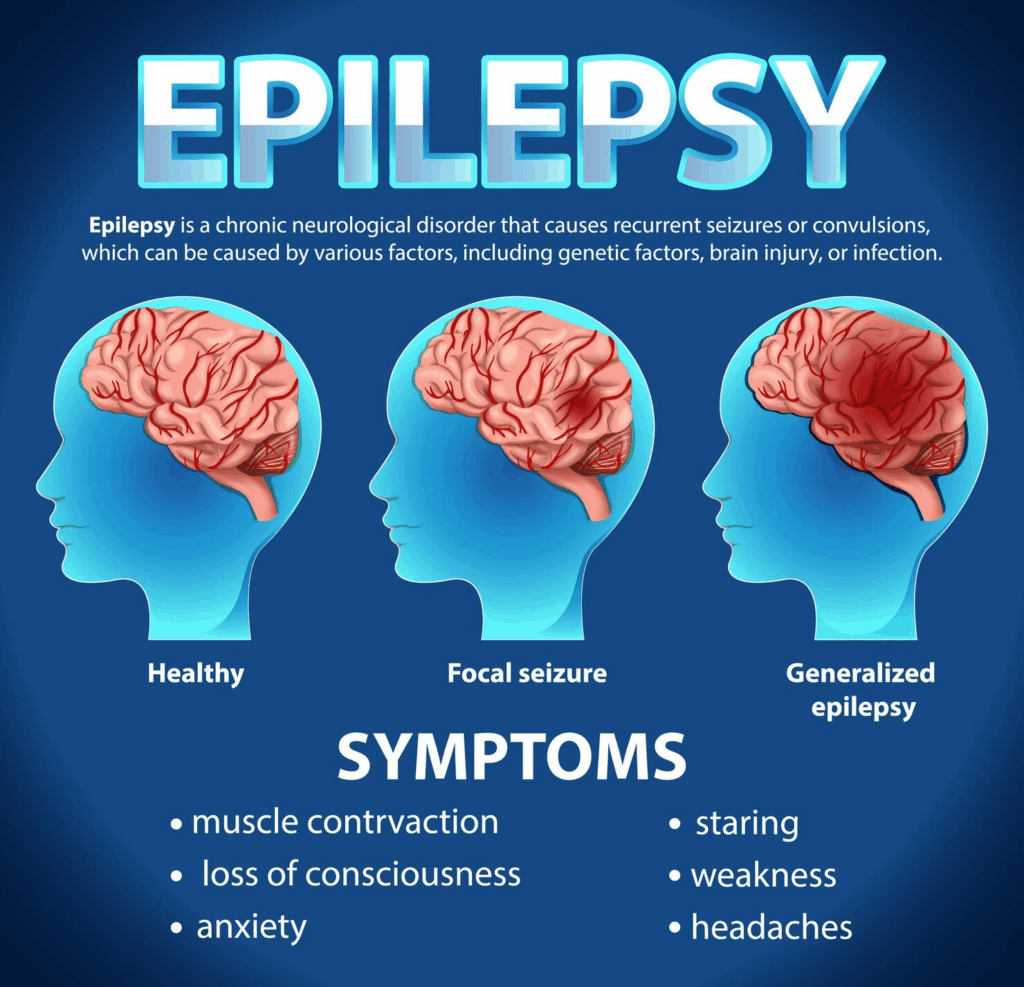
The neurological disorder is an ailment that involves the brain, the spine, and the nervous system, causing certain issues such as weakness, seizures, and inability to think properly. Neurologists use tools such as MRI scans, nerve tests, and careful examination to help people understand and cope with these conditions as neurologists treat. In a hospital that specializes in brain and nerve diseases, the clients are taken care of concerning symptoms such as epilepsy, dementia, and stroke, utilizing both current scans and specialized skills through the hands of the expert checks. This opening evokes the scenery to examine seven prevalent nervous system problems that are addressed by a neurologist, in a manner that will be understood by anyone. Epilepsy: Managing Uncontrolled Brain Activity Epilepsy is one of the most common brain and nerve conditions neurologists treat, where sudden bursts of brain activity cause seizures. EEG testing and imaging by neurologists detect the basis and select the appropriate medicine to slow or prevent seizures. Treatment efforts aim at enabling the people to have normal lives and fewer occurrences of seizures through personalized treatment. Through this vivid description, the importance of epilepsy and the role a doctor plays in its treatment becomes evident because it can be spoken in regular words. Migraine: More Than Just a Headache Migraines look like severe headaches but come with throbbing pain, light sensitivity, or nausea. Neurologists treat migraines by understanding triggers, offering therapy, and choosing medicines that ease nerve pain. Hospitals with brain and spine care help people regain daily comfort and manage recurring headaches with simple plans. This keeps the discussion on common neurological issues relatable, showing how care is gentle, supportive, and focused on life improvement. Parkinson’s Disease: Helping Movement Feel Easier Parkinson’s disease affects movement, making people shake, slow down, or feel stiff. Neurologists help by checking how the brain controls motion and choosing medicines or support to ease the symptoms. Many hospitals offer tools like scans and therapy referrals to help people walk better, stay balanced, and keep life routines going. Highlighting this shows how neurologists help people with nerve damage or brain and nerve disorders maintain independence and feel more confident. Multiple Sclerosis: Tackling Immune-Linked Nerve Damage Multiple sclerosis is a condition where the immune system attacks nerve coverings, causing weakness, blurred vision, or poor coordination. Neurologists run tests like MRI scans to track this damage and choose treatments to slow it. Hospitals offering brain and spine support focus on helping patients stay strong and keep nerves working well. Describing this as a part of brain and nerve disorders gives readers a gentle, clear view into how MS is handled in care settings. Dementia: When Thinking Needs Extra Support Dementia affects memory, thinking, and behavior. Neurologists assess how well someone remembers, speaks, and solves simple problems. With tools like scans and mood checks, they work with families to pick care paths that keep daily life as smooth as possible. This coverage of dementia shows one of the more personal brain and nerve disorders that reach beyond medicine into daily comfort and connection. Stroke Aftercare: Regaining Strength After a Sudden Event A stroke occurs when an established supply of blood is cut off in the brain, causing one to have difficultly in speech and movements or even thinking. Neurologists lead stroke recovery by demonstrating how to treat the stroke, use of speech assistance and mood support to aid the process of healing. Families are taught to help them walk, talk, or move around in hospitals safely again, in case they have a stroke. The discussion of this condition makes the tone empathetic and precise, correlating brain and nerve diseases with treatment procedures that any person can understand. Epilepsy, Parkinson’s, MS, Dementia, Migraine, Stroke, Nerve Damage—Bringing It Together The above conditions are only examples of the brain and nerve disorders that are handled by neurologists. Whether it is seizures or memory loss, each disorder is different but has the same high road; the positive attention of a kind neurologist to employ techniques such as scans, nerve tests and delicate examinations to focus treatment. Patients are given hope every day as hospitals concentrate on correct diagnoses, treatments, and follow-ups. That feeling of orientation and comfort is essential in the world of neurological disorder care and in the understanding of having professional assistance at their disposal at any time. Conclusion Conclusively, knowing the most prevalent neurological disorders instills tranquility and expectations in people. Where epilepsy, migraine, Parkinson’s, multiple sclerosis, dementia, stroke recovery, or damaged nerves impair people’s lives, experienced neurologists can lend a lifeline through brain scanning, thorough examination and established treatments that make a difference. We concentrate on the health and comfort at our practice, and personalized care that suits your life. We encourage you to call Genesis Hospital to find out how our brain-and-nerve line can help you on your way to a better, stronger, more confident life. FAQs 1. What are the symptoms of a neurological disorder? The symptoms of neurological disorders may include headaches, dizziness, memory loss, tremors, weakness, numbness, coordination difficulties, or seizures. These symptoms may vary depending on the specific disease affecting the nervous system. 2. What are the warning signs of nerve damage? Nerve damage is a warning sign of numbness, tingling, sharp pain, muscle atrophy, or lack of coordination. Such signs can refer to conditions such as neuropathy or nerve compression. 3. What vitamin deficiency causes nerve pain? Nerve pain is normally linked with vitamin B12 deficiency. It may result in peripheral neuropathy, with symptoms such as tingling, numbness, and muscle weakness affecting the hands, feet, and other limbs. 4. What can mimic neurological disorders? Similar symptoms of a neurological disorder, such as headaches, dizziness, or tingling, may be observed in most kinds of infections, metabolic disorders, vitamin deficiencies, autoimmune disorders, and states of stress or anxiety. 5. When to worry about neurological symptoms? Neurological symptoms, such as sudden numbness, loss of sight, weakness, speech problems, and severe headaches, should be treated medically. The symptoms can be indicators
Neurologist vs Neurosurgeon: Understanding the Key Differences
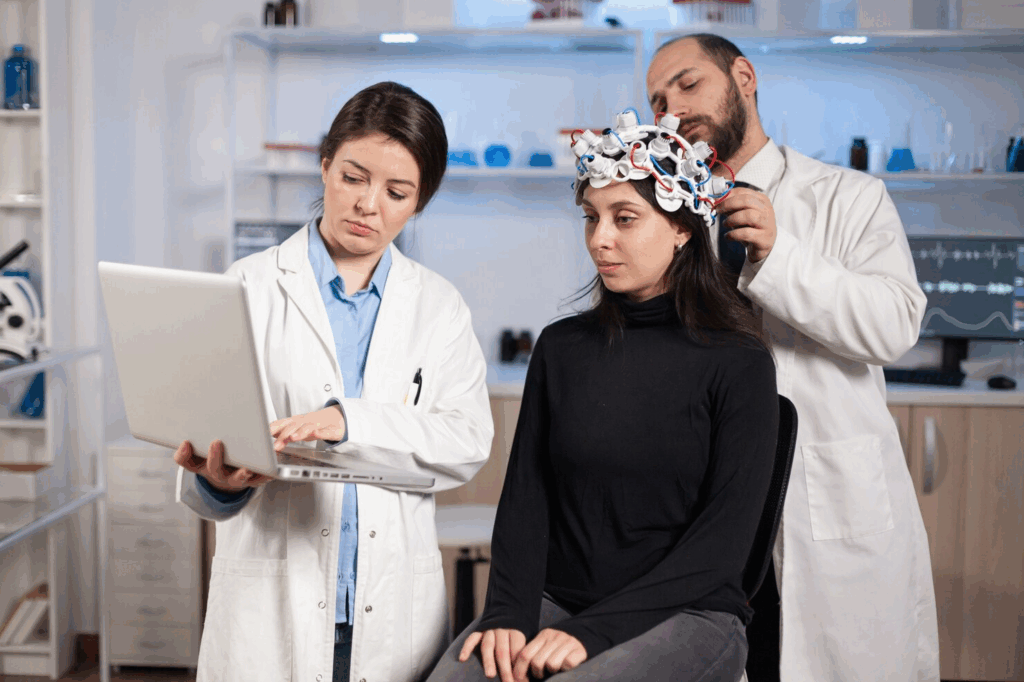
When individuals hear the names of neurologist and neurosurgeon, they tend to believe that they are the same. As a matter of fact, the argument between neurologist vs neurosurgeon concerns two completely different kinds of specialists in the brain and nervous system. Although both address the condition that afflicts the brain, spinal cord and nerves, they do not both perform in diagnosis and treatment. Learning the distinction between a neurosurgeon and a neurologist helps patients know the practitioner to consult over their symptoms. Having the information of the right specialist to consult can aid the diagnosis process to enhance care and have the right treatment at the appropriate time. What Does a Neurologist Do? A neurologist specializes in the diagnosis and treatment of the brain, spinal cord and nerves, as opposed to the training of a neurosurgeon who performs surgery. They are experts in nervous system diagnosis and use tools like MRI scans, nerve tests, and lab work to find the cause of a patient’s symptoms. The conditions that a neurologist could treat include movement disorders, epilepsy, multiple sclerosis, and migraines. They also handle treatment of seizures, stroke and chronic nerve pain. Symptoms such as numbness, dizziness, memory problems, and sudden attacks of weakness can all be mitigated and controlled when dealt with by a neurologist who can advise on how to eliminate the problem and keep the brain functioning healthily. The Role of a Neurosurgeon A neurosurgeon is a medical practitioner who, as the name frequently indicates, is a qualified surgeon who is trained in brain, spine and nervous system surgery. Their surgery can be said to be of primary importance, though they are also capable of diagnosing and treating various conditions. This can be brain surgery, spine procedure, tumor removal or repairing of injuries. A spine specialist will regularly collaborate with a neurosurgeon to handle back and neck disorders where the nerve is compressed or injured. In situations where the other types of treatment failed, or when there is a structural malfunction that requires a repair, a neurosurgeon comes in and carries out surgical he or that perform life-saving or even restore the loss of a functioning ability. Neurologist vs Neurosurgeon: The Treatment Approach Cost is the most significant consideration in the neurologist versus neurosurgeon debate as to the kind of care offered. Neurologists treat brain and nerve problems without cutting into the body through drugs, referrals to physiotherapists, and suggestions on lifestyle. However, neurosurgeons treat the same areas, but through the use of surgery, when non-surgical care fails to suffice. There are instances in which a patient can initially consult a neurologist to diagnose the nervous system, and upon being diagnosed that he or she needs to undergo surgery, he or she can be referred to a neurosurgeon. In other instances, the two experts collaborate, and therefore, there is a comprehensive care plan that covers both the cause and the process of recovery. Who Treats Brain Disorders? When it comes to who treats brain disorders, both specialists have important roles. Neurologists focus on conditions that can be managed without surgery, like migraines, Parkinson’s disease, and nerve pain. Neurosurgeons step in when the brain or spine requires a surgical fix, such as removing a tumor or repairing a blood vessel problem. This teamwork is essential for complete patient care, especially in cases involving stroke care or severe injuries. Deciding who to see depends on your symptoms, test results, and whether surgery may be needed. Either way, both specialists are highly trained in managing complex brain and nerve issues. When to See a Neurologist In the case of unexplained headache, loss of balance, problems with memory, and numbness in the extremities, it may be useful to visit the neurologist first. They provide the quick fix of an expert on diagnosing the nervous system in a situation that is not of surgery. Conditions such as epilepsy, constant migraines, and some indicators of multiple sclerosis usually imply long-term treatment by a neurologist. They are also able to organize the treatment of seizures and recoveries after a stroke. Going to visit a neurologist later allows the problem to be identified earlier and addressed before it can get worse and eventually require a more intensive treatment, such as surgery, at a later date. When to See a Neurosurgeon It is, more often than not, a neurosurgeon who is the right person when you have something to be surgically repaired. This may result in a brain tumor, an injury to the spinal cord, a serious nerve compression, or injuries sustained on the head or back. Other patients, such as those with herniated discs, severe sciatica or even some type of epilepsy, can be referred to a neurosurgeon after other methods of treating the patient have failed. In other instances, neurosurgeons are also spine specialists in complicated back surgeries. New referrals and timely visits to the neurosurgeon may be a crucial aspect of your treatment experience because they will eliminate further damage, reduce extreme pain, and restore normality in the damaged area. How They Work Together The best patient outcomes often happen when neurologists and neurosurgeons work as a team. For example, a patient may see a neurologist for a nervous system diagnosis after having seizures. If brain scans reveal a tumor, the neurologist will refer the patient to a neurosurgeon for removal. After surgery, the neurologist continues care, managing symptoms and preventing recurrence. This collaborative approach ensures you receive both medical and surgical expertise where needed. While the difference between neurologist and neurosurgeon is clear, their combined roles offer patients comprehensive care for even the most complex brain and nerve conditions. Conclusion Knowing what a neurologist and a neurosurgeon do helps an individual decide which brain specialist is best suited to him or her. The two have significant roles in diagnosing and treating brain, spine, and nerve conditions, although the modalities are very different. In case nervous system diagnosis and non-surgical treatment are something you require, a neurologist is the best place to start. When