
Introduction
Your heart works 24/7 to keep you alive, and it can tell you ahead of time that something isn’t right. Many Nigerians wait until symptoms become severe before seeing a heart specialist, but catching problems early can save your life.
If you’ve been wondering when to see a cardiologist, here are 10 signs you should never ignore, explained in simple terms so you can take action immediately.
1. Persistent Chest Pain
Chest pain is one of the most serious heart health warning signs.
Although in some cases rain may be caused by the strain in the muscles or acidity, it may also indicate:
- Blocked arteries
- Hypovolemia or weak circulation to the heart
- Heart attack
When you experience pressure, tightness, or pain in your chest, especially when in activity, seek medical attention by consulting a cardiologist in Lagos right now.
2. Shortness of Breath
If you have to hobble up the stairs, catch your breath, and even rest, it may indicate that the heart is unable to pump blood efficiently.
Shortness of breath may be linked to:
- Heart failure
- Valve disorders
- Fluid fillsthen lungs
3. Irregular Heartbeat
Excessive heartbeat, having missed beats, or fluttering may be evidence of abnormal heart rhythms called arrhythmia.
Some arrhythmias are harmless, but others can be life-threatening and require immediate cardiology consultation.
4. High Blood Pressure
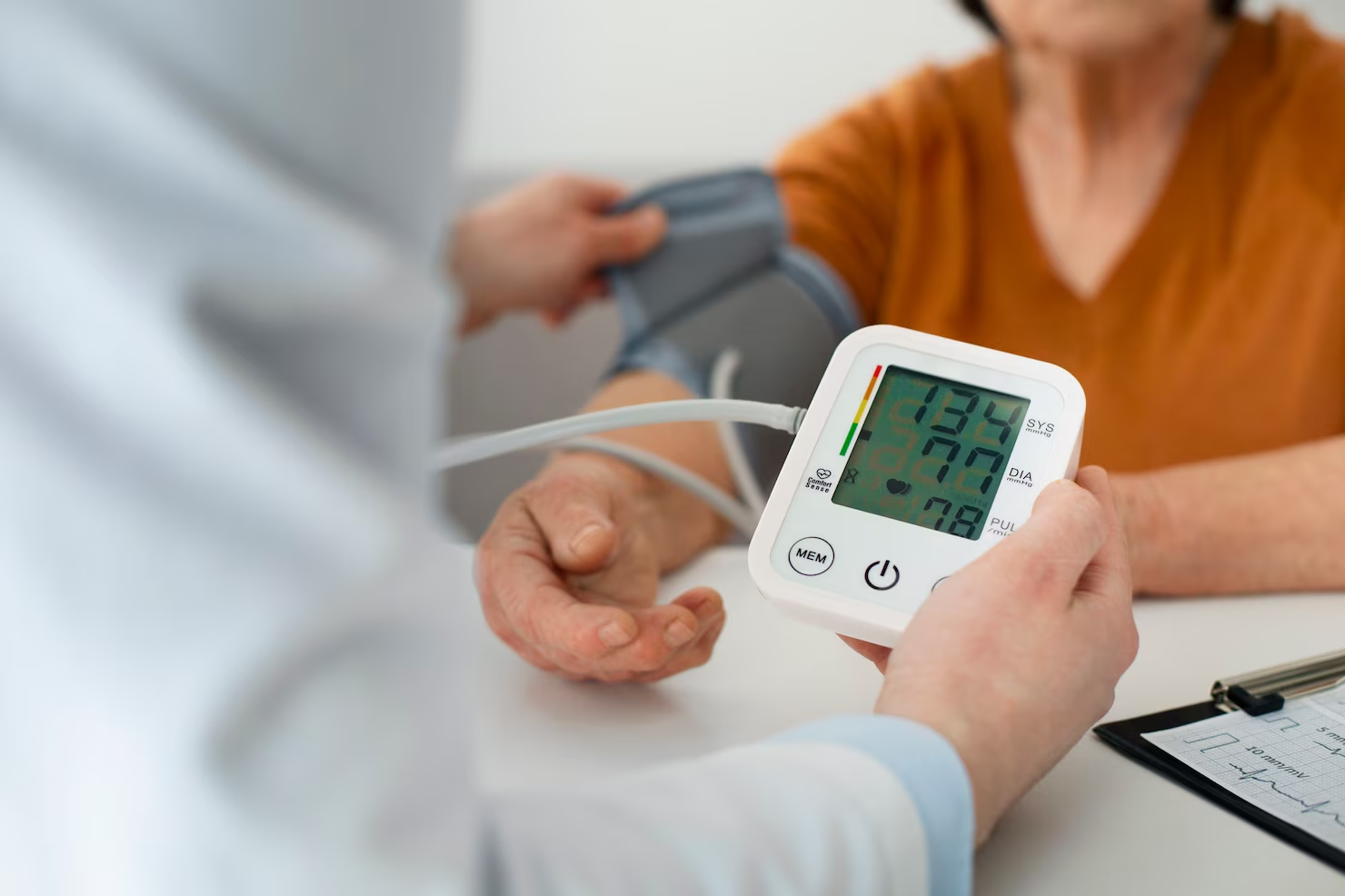
Uncontrolled blood pressure issues silently damage your heart and arteries over time.
If your readings are consistently above 140/90 mmHg, a heart specialist can help create a treatment plan.
5. Family History of Heart Disease
If your parents or siblings have suffered from heart attacks, strokes, or other heart disease symptoms, your own risk is much higher.
Constant heart check-ups are necessary even when you feel fine.
6. Swelling in Legs, Ankles, or Feet
The fact that you have swelling (edema) may indicate that your heart is not pumping effectively, resulting in a build-up of fluid.
This tends to be associated with heart failure, and it should not be overlooked.
7. Dizziness or Fainting
Spins, loss of consciousness, or lightheadedness may be a result of:
- Irregular heartbeat
- Poorly circulating blood in the brain
- Valve problems
Attention to the problem will allow avoiding serious problems with the help of a visit to a cardiologist.
8. Diabetes
In case you have diabetes, you are 2 to 4 times likely to get heart disease.
Even without symptoms, schedule regular cardiology consultations to monitor your heart health.
9. History of Smoking
Smoking destroys blood vessels, elevates cholesterol levels, and puts your heart at risk of a heart attack.
Former smokers should regularly undergo heart check-ups too.
10. Extreme Fatigue
If you always feel tired, despite getting adequate rest, your heart might not be pumping enough oxygen to your body.
This could signal heart disease symptoms that need urgent attention.
Why Early Action Saves Lives?
Venturing into this without heeding these signs may result in a heart attack, stroke, or sudden cardiac arrest.
At Genesis Specialist Hospital, our cardiology unit employs the latest technology and the most caring manner to diagnose and treat heart-related issues early before they become serious, providing the most effective treatment according to the latest in the field of medical treatment.
When to Book Your Cardiology Consultation
You should schedule a consultation immediately if you experience:
- Ongoing chest pain or shortness of breath
- New or worsening irregular heartbeat
- Uncontrolled blood pressure issues
- Any of the symptoms listed above
Conclusion
Your heart is the core of your body, and taking symptoms lightly may lead to severe consequences. Knowing when to see a cardiologist could mean the difference between early treatment and a life-threatening emergency.
Genesis Specialist Hospital is focused on world-class heart care services to patients and beyond Lagos. Whether you need a preventive check-up or urgent treatment, our experienced heart specialists are here to help you protect your heart health for years to come.
Frequently Asked Questions
Q1. What does a cardiologist do?
A cardiologist diagnoses, treats, and helps prevent heart and blood vessel diseases.
Q2. How do I know if my chest pain is heart-related?
If it feels like pressure, heaviness, or tightness, especially during activity, seek medical attention immediately.
Q3. Can I see a cardiologist without a referral?
Yes. At Genesis Specialist Hospital, you can book a direct appointment with our heart specialists.
Q4. How often should I have a heart check-up?
If you’re over 40 or have risk factors like diabetes, high blood pressure, or family history, schedule yearly check-ups.
Q5. How to identify chest pain?
The chest pain may be sharp, compressive, or aching. It can spread to the arms, neck, or back and is usually accompanied by shortness of breath, nausea, or sweating.
Q6. How to calm down chest pain?
Slow, deep breathing, rest, and avoiding physical activity would help alleviate the chest pain. If you experience pain or it worsens, seek medical help as soon as possible to rule out any issues that may be related to the heart.
Q7. What type of chest pain is not serious?
Strain in muscles, heartburn, and anxiety may result in non-serious chest pain. Such types are less common and typically occur without other symptoms such as dizziness or dyspnea.
Q8. How do you treat an irregular heartbeat?
Irregular heartbeat (arrhythmia) could be treated with an irregular heartbeat drug or lifestyle modifications or medical interventions such as cardioversion. A cardiologist will provide individual care and treatment.
Q9. How can heart disease affect your life?
Heart disease may restrict physical activity, lead to fatigue, and increase the risk of heart attack, stroke, or other complications. Early diagnosis and treatment can enhance the quality of life.