
The neurological disorder is an ailment that involves the brain, the spine, and the nervous system, causing certain issues such as weakness, seizures, and inability to think properly. Neurologists use tools such as MRI scans, nerve tests, and careful examination to help people understand and cope with these conditions as neurologists treat. In a hospital that specializes in brain and nerve diseases, the clients are taken care of concerning symptoms such as epilepsy, dementia, and stroke, utilizing both current scans and specialized skills through the hands of the expert checks. This opening evokes the scenery to examine seven prevalent nervous system problems that are addressed by a neurologist, in a manner that will be understood by anyone.
Epilepsy: Managing Uncontrolled Brain Activity
Epilepsy is one of the most common brain and nerve conditions neurologists treat, where sudden bursts of brain activity cause seizures. EEG testing and imaging by neurologists detect the basis and select the appropriate medicine to slow or prevent seizures. Treatment efforts aim at enabling the people to have normal lives and fewer occurrences of seizures through personalized treatment. Through this vivid description, the importance of epilepsy and the role a doctor plays in its treatment becomes evident because it can be spoken in regular words.
Migraine: More Than Just a Headache
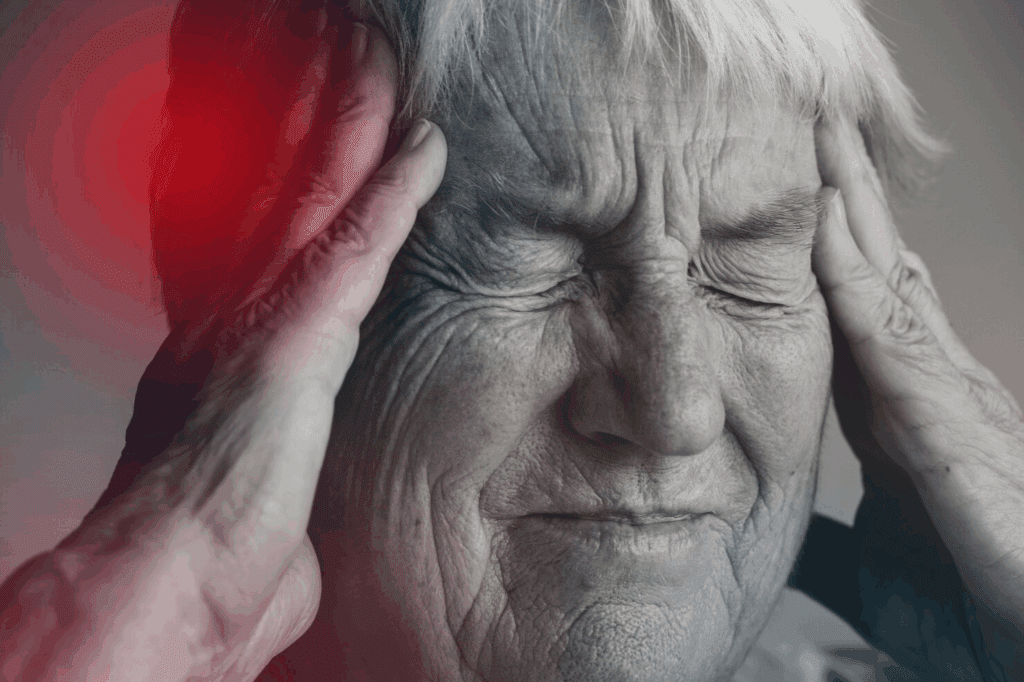
Migraines look like severe headaches but come with throbbing pain, light sensitivity, or nausea. Neurologists treat migraines by understanding triggers, offering therapy, and choosing medicines that ease nerve pain. Hospitals with brain and spine care help people regain daily comfort and manage recurring headaches with simple plans. This keeps the discussion on common neurological issues relatable, showing how care is gentle, supportive, and focused on life improvement.
Parkinson’s Disease: Helping Movement Feel Easier
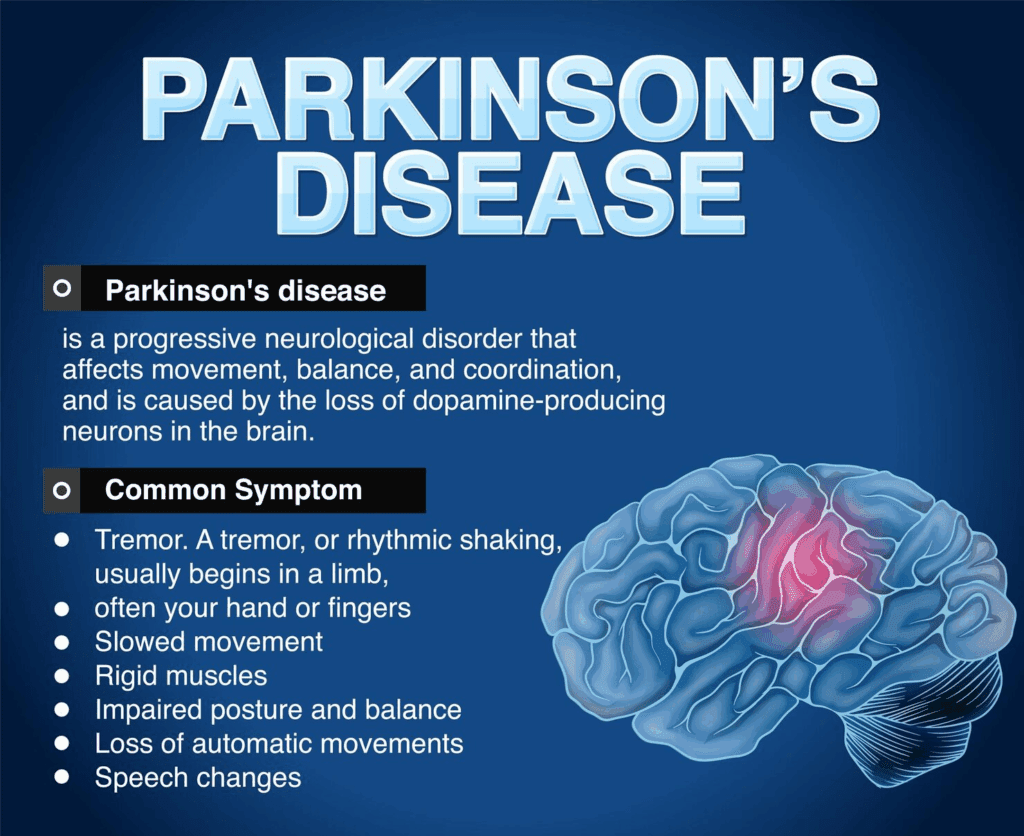
Parkinson’s disease affects movement, making people shake, slow down, or feel stiff. Neurologists help by checking how the brain controls motion and choosing medicines or support to ease the symptoms. Many hospitals offer tools like scans and therapy referrals to help people walk better, stay balanced, and keep life routines going. Highlighting this shows how neurologists help people with nerve damage or brain and nerve disorders maintain independence and feel more confident.
Multiple Sclerosis: Tackling Immune-Linked Nerve Damage
Multiple sclerosis is a condition where the immune system attacks nerve coverings, causing weakness, blurred vision, or poor coordination. Neurologists run tests like MRI scans to track this damage and choose treatments to slow it. Hospitals offering brain and spine support focus on helping patients stay strong and keep nerves working well. Describing this as a part of brain and nerve disorders gives readers a gentle, clear view into how MS is handled in care settings.
Dementia: When Thinking Needs Extra Support
Dementia affects memory, thinking, and behavior. Neurologists assess how well someone remembers, speaks, and solves simple problems. With tools like scans and mood checks, they work with families to pick care paths that keep daily life as smooth as possible. This coverage of dementia shows one of the more personal brain and nerve disorders that reach beyond medicine into daily comfort and connection.
Stroke Aftercare: Regaining Strength After a Sudden Event
A stroke occurs when an established supply of blood is cut off in the brain, causing one to have difficultly in speech and movements or even thinking. Neurologists lead stroke recovery by demonstrating how to treat the stroke, use of speech assistance and mood support to aid the process of healing. Families are taught to help them walk, talk, or move around in hospitals safely again, in case they have a stroke. The discussion of this condition makes the tone empathetic and precise, correlating brain and nerve diseases with treatment procedures that any person can understand.
Epilepsy, Parkinson’s, MS, Dementia, Migraine, Stroke, Nerve Damage—Bringing It Together
The above conditions are only examples of the brain and nerve disorders that are handled by neurologists. Whether it is seizures or memory loss, each disorder is different but has the same high road; the positive attention of a kind neurologist to employ techniques such as scans, nerve tests and delicate examinations to focus treatment. Patients are given hope every day as hospitals concentrate on correct diagnoses, treatments, and follow-ups. That feeling of orientation and comfort is essential in the world of neurological disorder care and in the understanding of having professional assistance at their disposal at any time.
Conclusion
Conclusively, knowing the most prevalent neurological disorders instills tranquility and expectations in people. Where epilepsy, migraine, Parkinson’s, multiple sclerosis, dementia, stroke recovery, or damaged nerves impair people’s lives, experienced neurologists can lend a lifeline through brain scanning, thorough examination and established treatments that make a difference. We concentrate on the health and comfort at our practice, and personalized care that suits your life. We encourage you to call Genesis Hospital to find out how our brain-and-nerve line can help you on your way to a better, stronger, more confident life.
FAQs
1. What are the symptoms of a neurological disorder?
The symptoms of neurological disorders may include headaches, dizziness, memory loss, tremors, weakness, numbness, coordination difficulties, or seizures. These symptoms may vary depending on the specific disease affecting the nervous system.
2. What are the warning signs of nerve damage?
Nerve damage is a warning sign of numbness, tingling, sharp pain, muscle atrophy, or lack of coordination. Such signs can refer to conditions such as neuropathy or nerve compression.
3. What vitamin deficiency causes nerve pain?
Nerve pain is normally linked with vitamin B12 deficiency. It may result in peripheral neuropathy, with symptoms such as tingling, numbness, and muscle weakness affecting the hands, feet, and other limbs.
4. What can mimic neurological disorders?
Similar symptoms of a neurological disorder, such as headaches, dizziness, or tingling, may be observed in most kinds of infections, metabolic disorders, vitamin deficiencies, autoimmune disorders, and states of stress or anxiety.
5. When to worry about neurological symptoms?
Neurological symptoms, such as sudden numbness, loss of sight, weakness, speech problems, and severe headaches, should be treated medically. The symptoms can be indicators of such severe conditions as strokes, brain damage, or neurological diseases.